
Last updated November 21, 2026
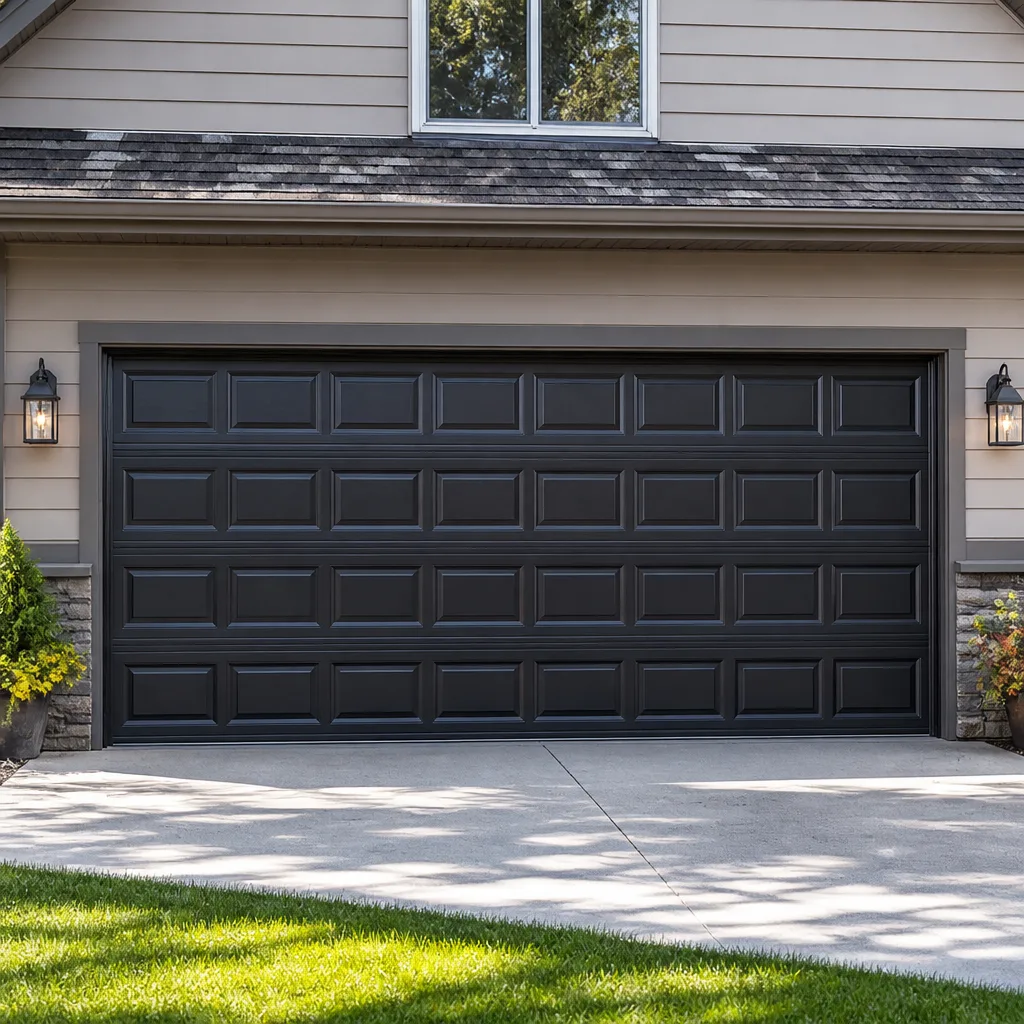 Raised-panel steel
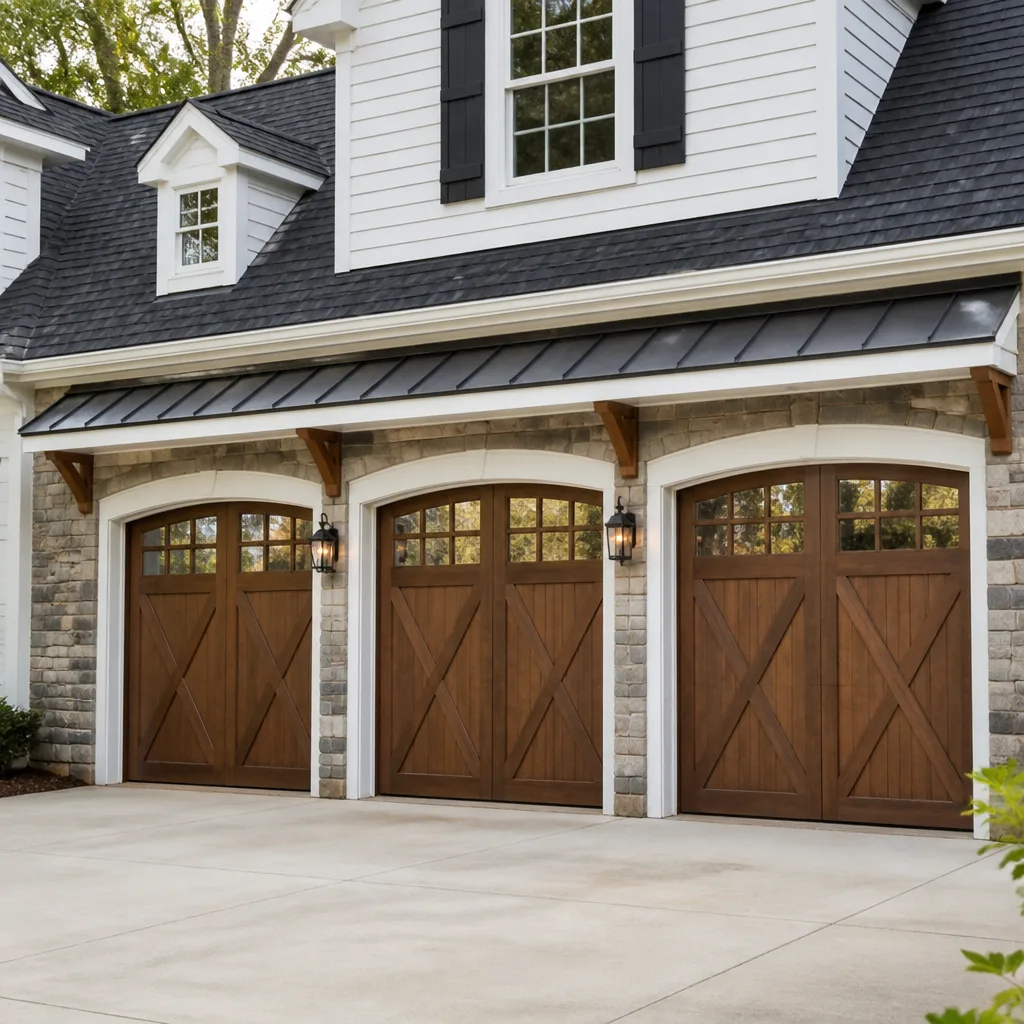 Carriage house
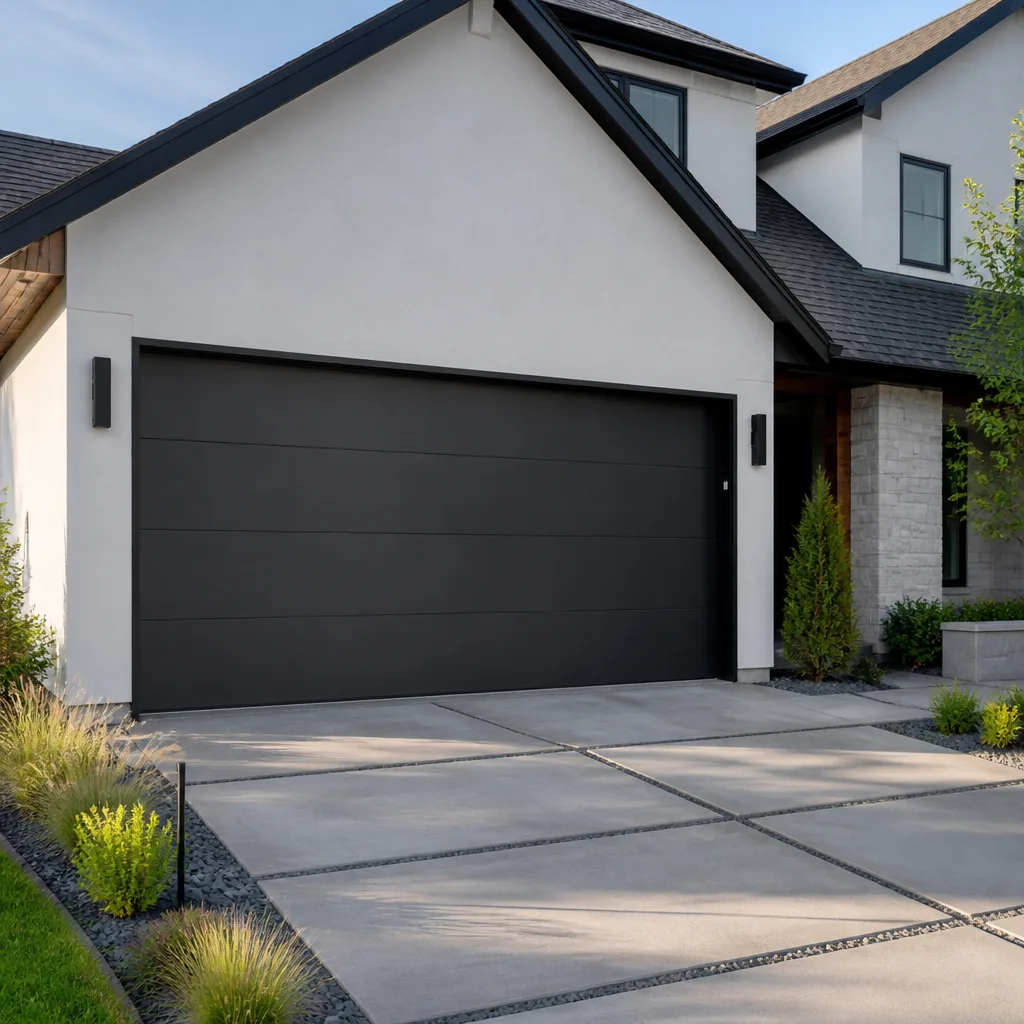 Modern flush
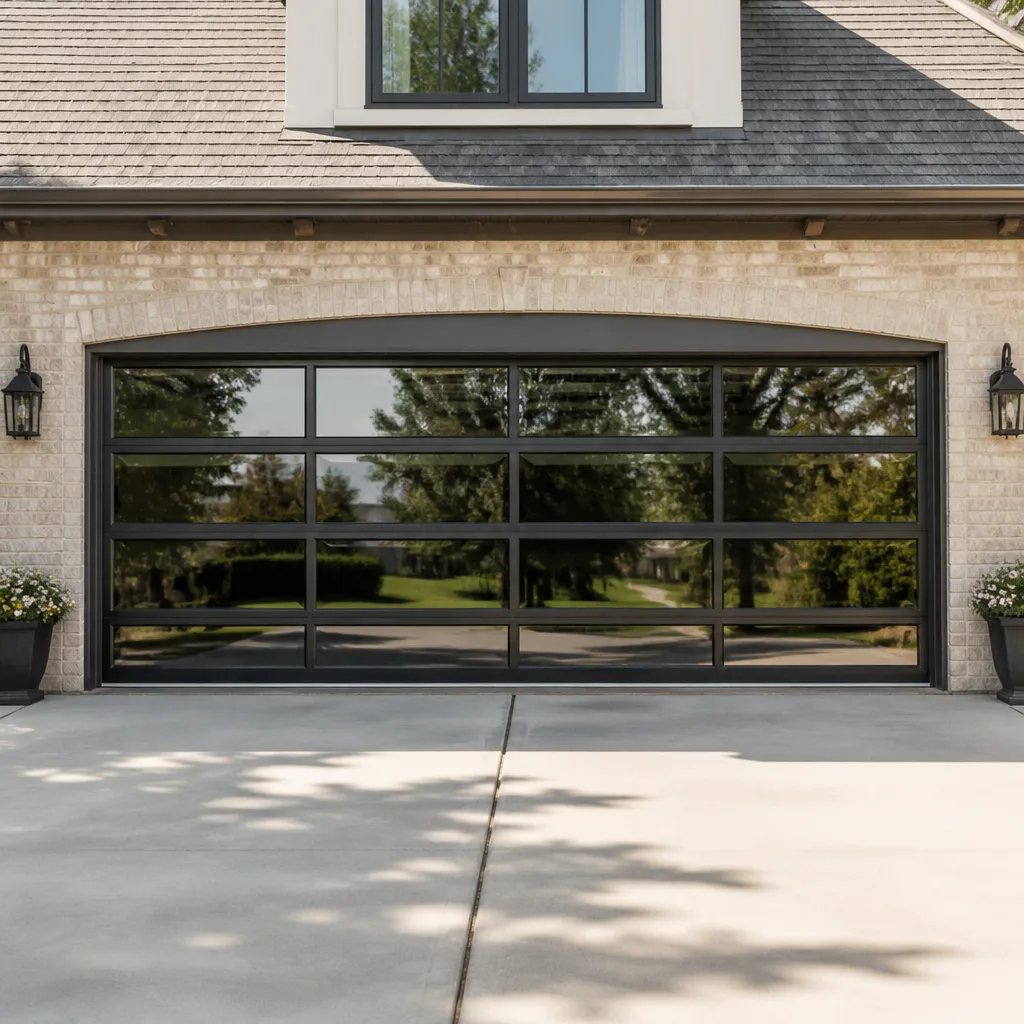 Full-view glass
 LiftMaster openers
 Chamberlain openers
Full 25-point door and opener safety check with every visit - springs, cables, rollers, tracks, and your LiftMaster or Chamberlain opener included
You get a price before we start. It does not change when the pro arrives.
Get your free estimateThe Complete Guide to Garage Doors in Harlem
Most Harlem garages were built before automatic openers existed. That single fact breaks a lot of the standard advice you’ll read online. A guide written for a suburban three-car garage will tell you to order a stock door and bolt on a belt-drive opener, and that plan falls apart the moment your opening turns out to be six inches too shallow for a standard torsion spring, or your lintel sits a hand’s width lower than the catalog assumes. Harlem’s mix of brownstones, converted carriage houses, and newer condo buildings creates garage door decisions that generic guides simply don’t cover. This guide does. We’ll walk through how pre-war dimensions change your options, what co-op boards actually review, which materials survive street-level exposure, and how to check that the person you hire is licensed in New York City – not just “licensed” in the vague way a business card claims.
Quick Answer
A garage door in Harlem is a fit-and-spec problem before it’s a product problem. The right approach for most local buildings is: measure the existing opening and headroom first, choose a door and spring system that fit those real dimensions, confirm any co-op or condo board requirements before ordering, and have the work done by a contractor you’ve verified through the NYC Department of Buildings and the state licensing system. Repair usually serves you better than replacement until the door itself is physically failing.
Styles & brands we work with
- Raised-panel steel
- Carriage house
- Modern flush
- Full-view glass
- LiftMaster openers
- Chamberlain openers
Table of Contents
- How Pre-War and Carriage-House Garages Differ from Modern Specs
- Co-Op and Condo Board Rules That Affect Your Door
- Which Materials Hold Up in Harlem
- Repair or Replace? The Service Lifecycle Explained
- Choosing and Servicing an Opener in an Older Building
- Springs, Cables, and the Safety Line
- How to Verify a Contractor Is Licensed in NYC
- What Garage Door Work Typically Costs
How Pre-War and Carriage-House Garages Differ from Modern Specs
The housing stock in Harlem is the whole story here. A brownstone built in the early 1900s was designed for a horse carriage or a Model T, not for a 16-foot sectional door with a torsion assembly overhead. The dimensions reflect that. When we assess a garage in Harlem, the measurements we care about most are the ones a modern installer might not think to check.
Here’s what typically differs from a modern spec:
- Headroom. Torsion springs need a defined amount of clearance above the door’s highest point. Older Harlem garages often run shallow, which can push you toward low-headroom hardware or a different spring configuration entirely.
- Door width and height. A carriage-house opening is often narrower and shorter than a standard single-car door. Stock doors may not fit without custom sizing, and custom sizing changes both lead time and cost.
- Side clearance. Side-room affects how the track and springs mount. Tight brick returns common in Harlem leave less room than a wood-framed modern garage.
- Structural lintels. The brick or stone header above the opening in a brownstone garage may not support the same mounting loads a modern frame is built for.
- Floor slopes. Older slabs aren’t always level, which matters for how the door sits and seals.
What that means for you: before you order anything, someone has to measure the actual opening, headroom, and side-room. A door that’s six inches too wide is a return shipment. A spring chosen without checking headroom can fail to operate the door at all. If your garage turns out to need custom sizing, that’s a normal outcome in Harlem, not an anomaly, and it’s worth planning the timeline around it. Diagnosis first, then options – that’s the order that saves money here.
For a deeper walkthrough of the install process and how sizing decisions get made, see our page on garage door installation.
Co-Op and Condo Board Rules That Affect Your Door
If your garage door sits on a building governed by a co-op or condo board, the door is not entirely your decision. Boards in Harlem review exterior changes because the door faces the street and affects the building’s appearance. Ignoring that process can mean ordering a door you’re then told to remove.
What boards commonly review:
- Style and panel configuration. Some buildings specify a carriage-house look to match the facade; others want a plain flush panel. Get the requirement in writing.
- Color. Exterior color often has to match a building standard or an approved palette.
- Window and glazing. Whether the door can have windows, and what type, is frequently regulated.
- Materials. A board may have opinions about noise (steel vs. wood composite), or about appearance from the street.
- Installation schedule and access. When and how installers can access the garage, and what proof of insurance the building requires, is worth confirming before the day of work.
The practical move is to submit your request early and get the board’s answer in writing before you place an order. Board review adds time, and timelines in Harlem buildings can run longer than a standalone house project. Build that into your plan. It’s far easier to choose a door that fits the rules than to argue about one that doesn’t.
Which Materials Hold Up in Harlem
Street-level exposure in Harlem is real. A garage door facing a busy block takes grit, exhaust, road splash, and the freeze-thaw cycles that come with a Northeast winter. Urban humidity in summer adds another layer. The material you choose should be matched to those conditions, not just to what looks good in a showroom photo.
Here’s how the main options compare:
- Steel. The most common choice for a reason. Steel holds up against impact, resists moisture well when the finish stays intact, and is generally the most cost-effective. The catch: once the paint or coating chips, exposed steel can rust, so touch-ups matter. Insulated steel doors also help with noise, which is welcome on a loud block.
- Wood composite. Composite gives you the warm look of wood with better moisture resistance than natural wood. It handles urban humidity better than raw timber and holds paint and stain well. It costs more than steel and needs periodic refinishing to stay looking right.
- Aluminum. Aluminum resists rust and is light, which can be helpful on older hardware. It dents more easily than steel, so it’s a better fit for a low-traffic garage than a door right at the curb.
- Full-view glass and aluminum. Popular on newer Harlem condos for the modern look, but glass needs care in a street-facing location and offers less security than a solid panel.
For most Harlem homeowners balancing budget, durability, and appearance, an insulated steel door from a brand like Clopay is the practical default – it handles the weather, keeps noise down, and holds up to street-level life. Wood composite is worth the upgrade if matching the brownstone facade matters to you or your board. Whatever you pick, the finish is what protects it. Keep it intact and the door lasts; let it go and you’re repainting or replacing sooner than you’d like.
Repair or Replace? The Service Lifecycle Explained
This is the question that drives most calls we get in Harlem, and the honest answer is usually “repair” – but not always. The dividing line isn’t simply age. It’s condition. A door that’s fifteen years old but well maintained can outlast a neglected door that’s half its age.
Use this as a practical guide to when each path makes sense:
- Single component failure – repair. A snapped spring, a dead opener, a bent track, a worn roller. One part failing doesn’t mean the door is done. These are straightforward repairs, and spring work in particular is exactly the kind of job we’re built for.
- Opener failing on an otherwise sound door – repair or replace the opener. If the door panels and hardware are solid, a new opener or a repair gets you years more use. For the specifics of diagnosing opener problems, see garage door opener repair.
- Repeated repairs on hardware, with a sound door – repair. Some doors need a cluster of small fixes at once. That’s still usually cheaper than replacement.
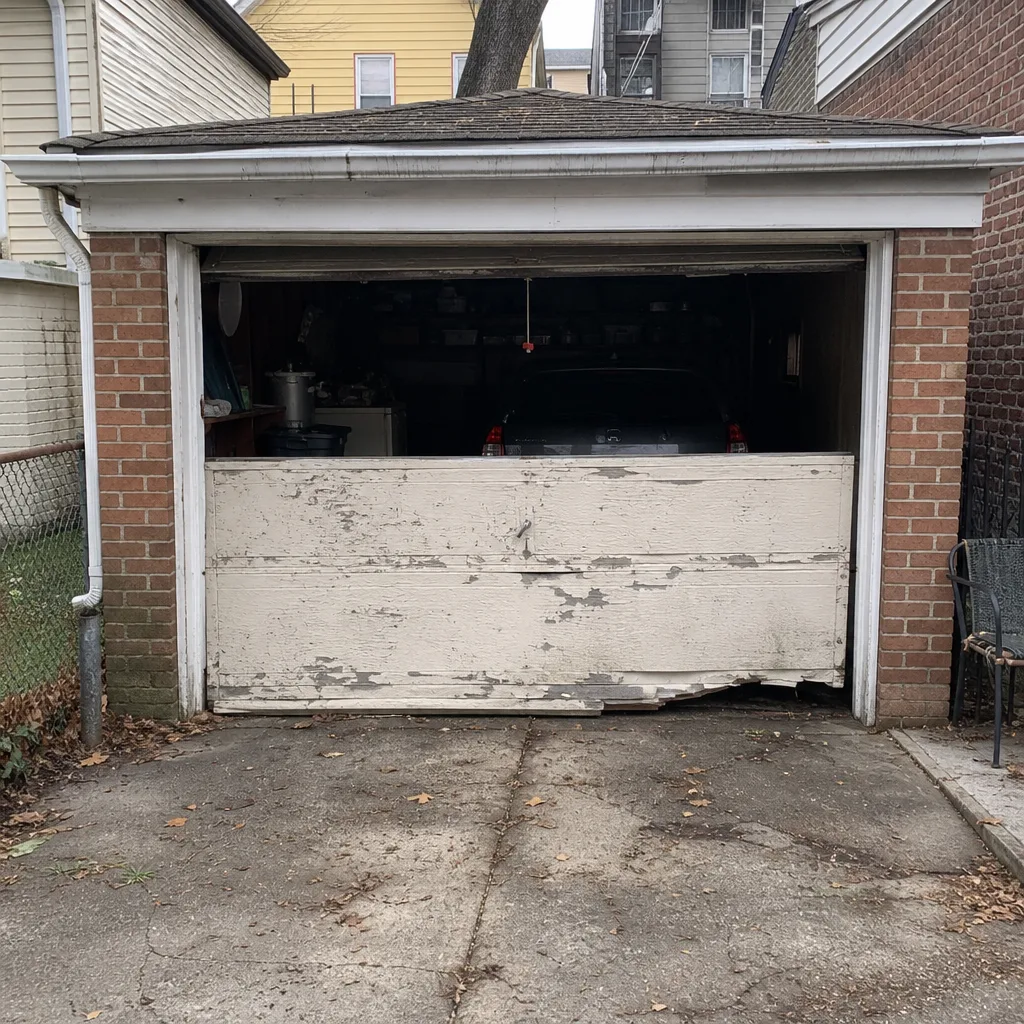
- Rusted or rotting panels, dents, or structural damage – consider replacement. When the door’s panels are physically failing or corroded, repairs stop paying off.
- Door no longer fits the opening or the building’s needs – replace. If the door can’t be made to seal, or no longer matches board requirements, replacement is the cleaner solution.
- Safety reversing system failing with a door that won’t respond to repair – replace. A door that won’t reverse reliably is a safety problem, not a convenience one.
Our approach is diagnosis first, then options. We look at the door, the hardware, and the opener, tell you what’s actually failing, and lay out the repair path and the replacement path side by side. You decide. Nobody gets pushed toward a new door when a repair will do the job.
Choosing and Servicing an Opener in an Older Building
Openers are where Harlem’s older garages and newer condos split apart. A brownstone garage may have decades-old mechanical hardware in place, or a legacy chain-drive unit that’s been soldiering along. A newer condo building might have a Wi-Fi-integrated unit already. Both need a technician who knows the specific system, not one who’s guessing.
We work on the opener brands you’re most likely to have: LiftMaster, Chamberlain, Genie, and Craftsman are the dominant names, covering both traditional mechanical units and modern connected systems like Chamberlain’s myQ and Genie’s Aladdin. That familiarity matters. Each brand has its own logic board behavior, its own travel-limit adjustments, and its own failure patterns. Knowing the difference between a dead logic board and a misaligned safety sensor saves you a diagnostic guess.
A few things to know about openers in older garages:
- Headroom limits your options. A shallow garage may rule out certain opener types or require a specific mounting approach.
- Legacy systems can be kept running. An older mechanical opener isn’t automatically a replacement candidate if the parts are serviceable.
- Smart openers need a solid network and a solid door. The app doesn’t fix a door that binds. Fix the door, then the smart features work as intended.
- Safety sensors are non-negotiable. Every opener needs working reversing sensors; a door that won’t reverse on contact is a hazard regardless of brand.
If your opener is failing, the fix is often a single component. Learn how that diagnosis works on our opener service page, or read more on this guide’s spring and safety section for the mechanical side of the door.
Springs, Cables, and the Safety Line
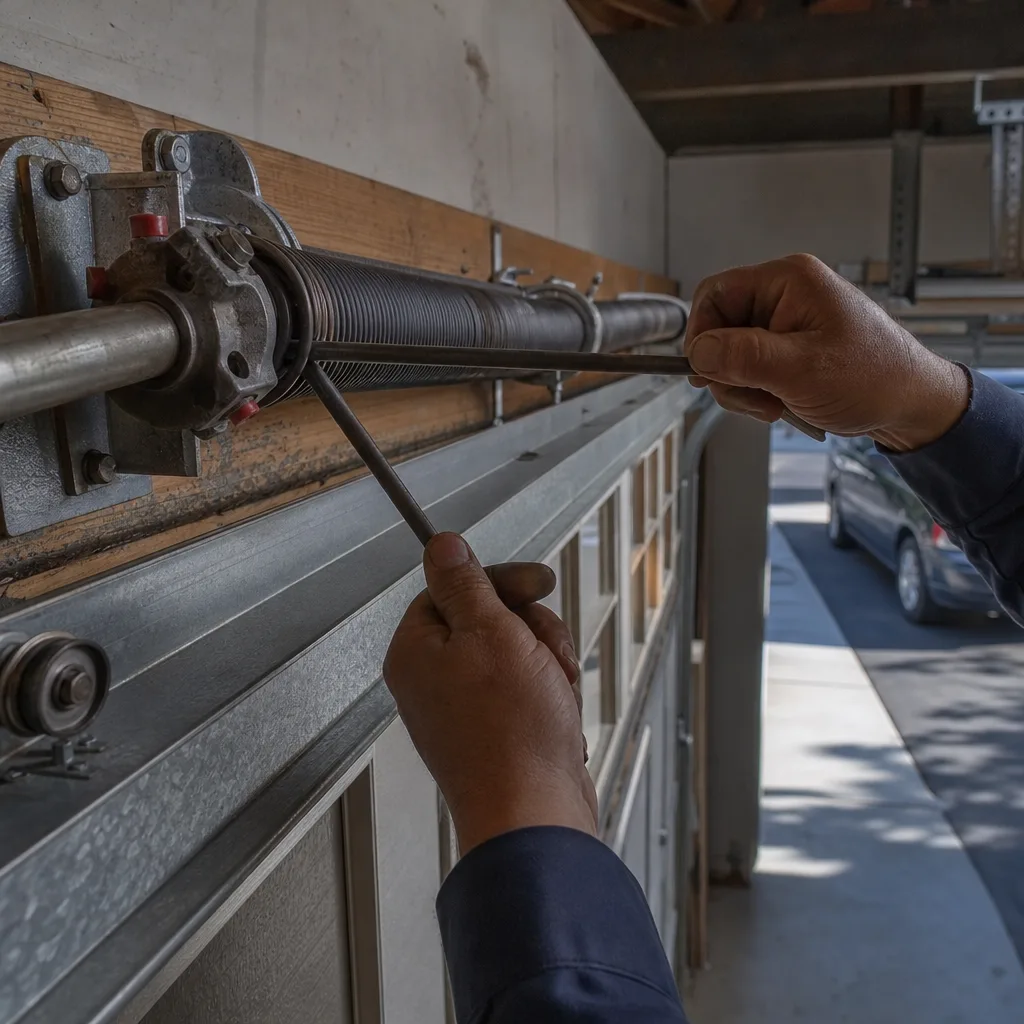
We want to be direct with you here, because this is the most dangerous part of any garage door and the part most general handymen won’t touch. Torsion springs and the cables they tension are under extreme load. A spring that lets go while someone is working on it can cause serious injury. This is not a repair to attempt yourself, and we don’t write instructions for doing it. If you take one thing from this guide, take this: do not touch the springs or cables.
What you can and should do is recognize the warning signs:
- A loud bang from the garage, followed by a door that won’t lift.
- A visible gap in the spring coil.
- A door that feels extremely heavy when you try to lift it manually.
- Cables that look frayed, slack, or off their drums.
- A door that lifts crookedly or slams down.
Any of those means stop using the door and call a professional. Spring repair is a dedicated service we offer precisely because it demands the technical depth most general contractors decline. The job involves matching the spring to the door’s weight and the garage’s dimensions – which, in a Harlem pre-war garage, is not always a stock match. Get that wrong and the door either won’t balance or will wear out its hardware fast.
For the full scope of what we handle on doors across Harlem, from spring work to panel repair, see garage door repair. Safety first, always. That’s the standard we hold ourselves to.
How to Verify a Contractor Is Licensed in NYC
“Licensed and insured” is a phrase on every contractor’s card in the city. It’s also the phrase that means the least without proof. In New York City, you can and should verify. It’s a few minutes of your time, and it separates a contractor who can legally do the work from one who’s hoping you won’t check.
Here’s how to verify:
- Ask for the license number in writing. Any legitimate contractor can provide it without hesitation.
- Check the NYC Department of Buildings records. The DOB maintains a public license lookup. Use it to confirm the license is active and the name matches.
- Confirm insurance with a certificate of insurance. Ask for the certificate and make sure it names general liability coverage. If you’re in a co-op or condo, your board will often require this anyway.
- Check the state licensing system. New York State maintains its own licensing records for certain trades. Cross-checking is reasonable.
- Verify the business entity. A license that belongs to a different name than the one on your estimate is a red flag worth resolving before work starts.
One more thing worth knowing: NYC has specific rules around home improvement contracting, and asking whether the contractor is registered as a home improvement contractor is a reasonable question. If they can’t answer clearly, that’s your answer. A contractor worth hiring will hand over documentation without being asked twice.
What Garage Door Work Typically Costs
Costs in Harlem track city pricing. Labor and access constraints in a dense urban setting push some jobs higher than suburban rates, and custom sizing for pre-war openings can add to the total. We don’t quote exact prices on a guide page because every door is different, but here are typical estimated ranges to help you plan.
| Job | Typical Estimated Range |
|---|---|
| Spring replacement (one spring) | $180-$340 |
| Spring replacement (matched pair, both replaced together) | About double a single spring |
| Opener repair | $120-$280 |
| New opener installation | $250-$550, plus the unit |
| Track, roller, or cable repair | $100-$250 |
| New door installation (standard sizing) | $900-$2,500, depending on material and insulation |
| Custom-sized door for a pre-war opening | Ranges above standard; quoted per job |
These are estimates, not quotes. The written estimate sets the final price, and you’ll have it before any work starts. We quote and agree the price up front so there’s no invoice surprise afterward. For an exact figure on your door, call (877) 829-5867 – estimates are free. You can also review the full scope of what we do on the main Garage Door Repair Harlem page.
Common Mistakes to Avoid
- Ordering a door before measuring the opening. In a Harlem pre-war garage, the stock dimensions may not fit. Measure first, or have someone measure for you, before you place any order.
- Skipping the co-op board. If your building has a board, get approval in writing before you buy. A door the board rejects is money spent twice.
- Attempting spring repair yourself. Torsion springs and cables are under extreme load and can injure you seriously. This is the one part of the job to leave to a professional, no exceptions.
- Choosing a door by look alone. A beautiful door that doesn’t fit your headroom or your building’s façade requirements is a problem, not an upgrade. Match the door to the garage and the building.
- Hiring on price without verifying the license. A cheap quote from an unverified contractor can cost far more once the work needs redoing or the permit is a problem.
- Ignoring a small opener fault. A door that reverses slowly or hesitates is telling you something. Small faults turn into dead openers when ignored.
- Replacing a door when the opener or spring is the actual problem. Diagnosis comes before replacement. A failing opener on a sound door doesn’t mean you need a new door.
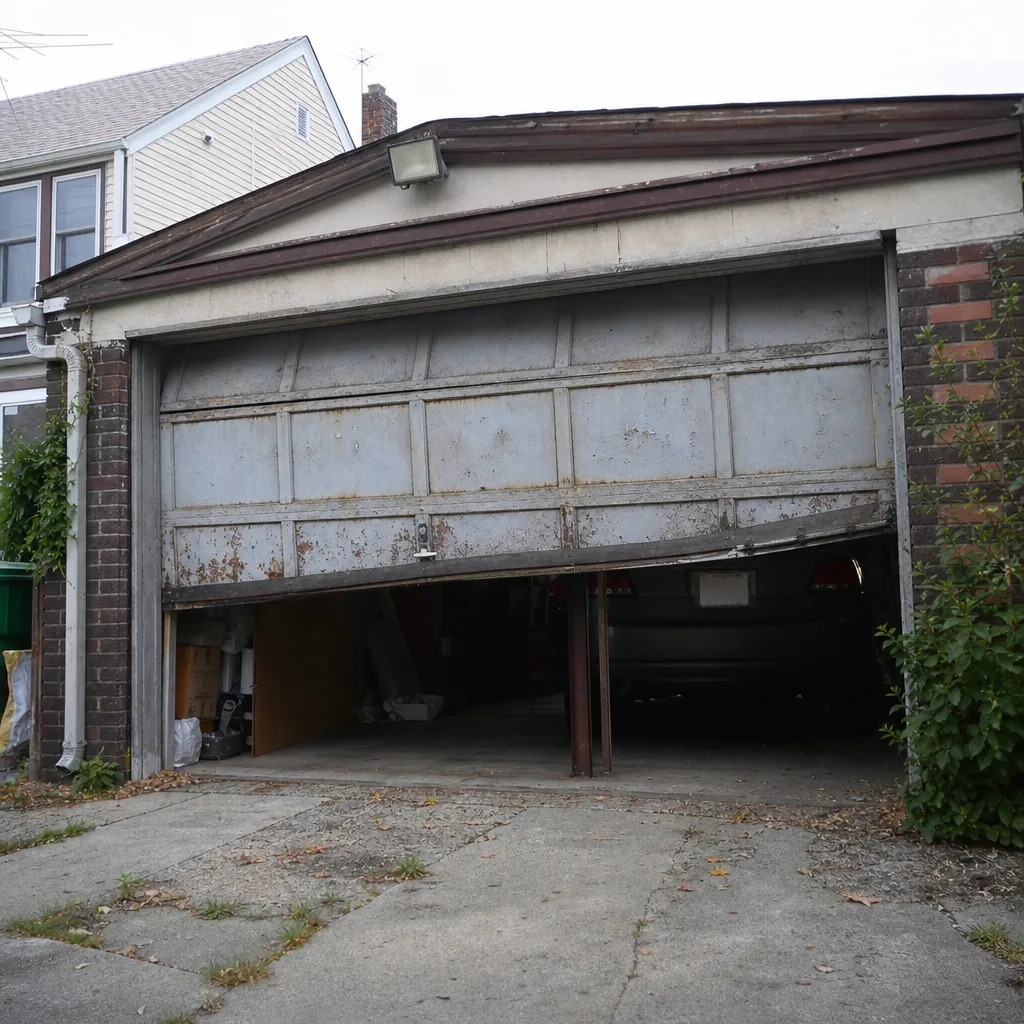
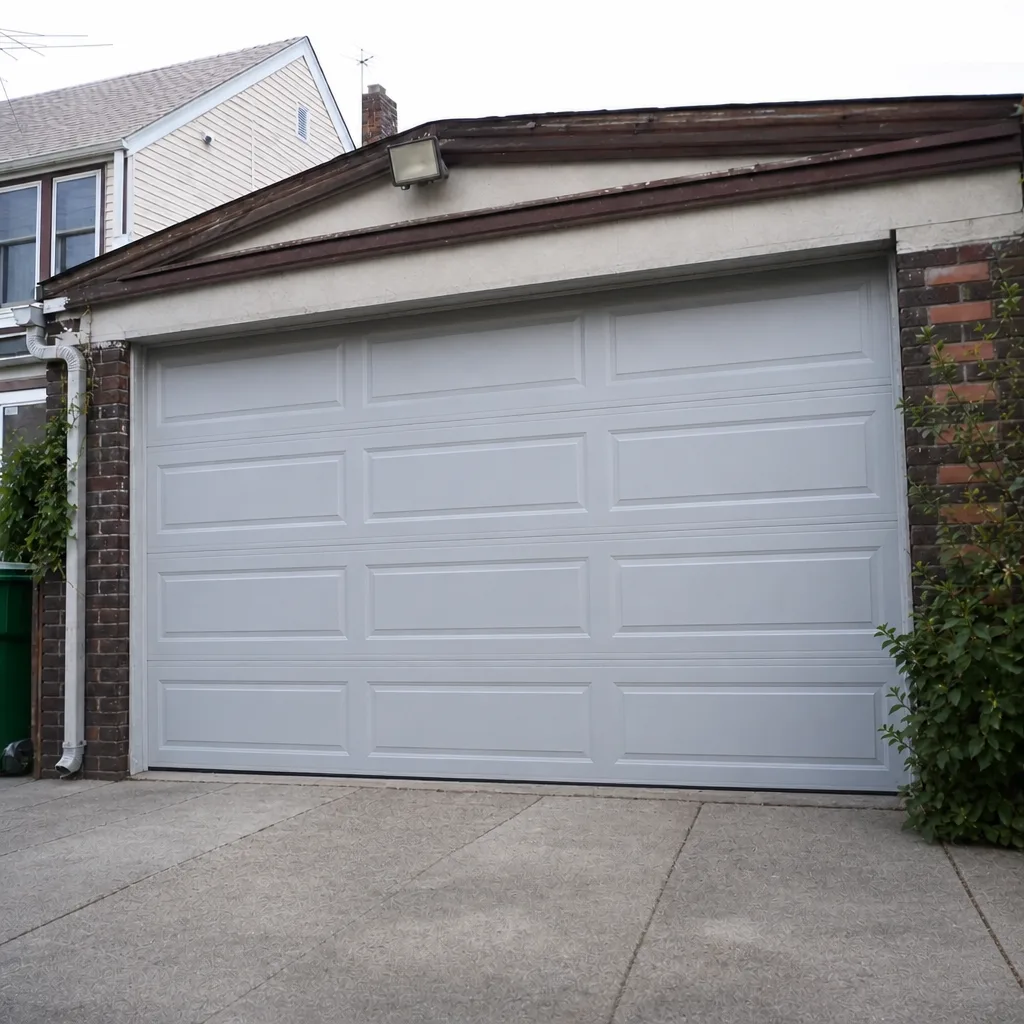
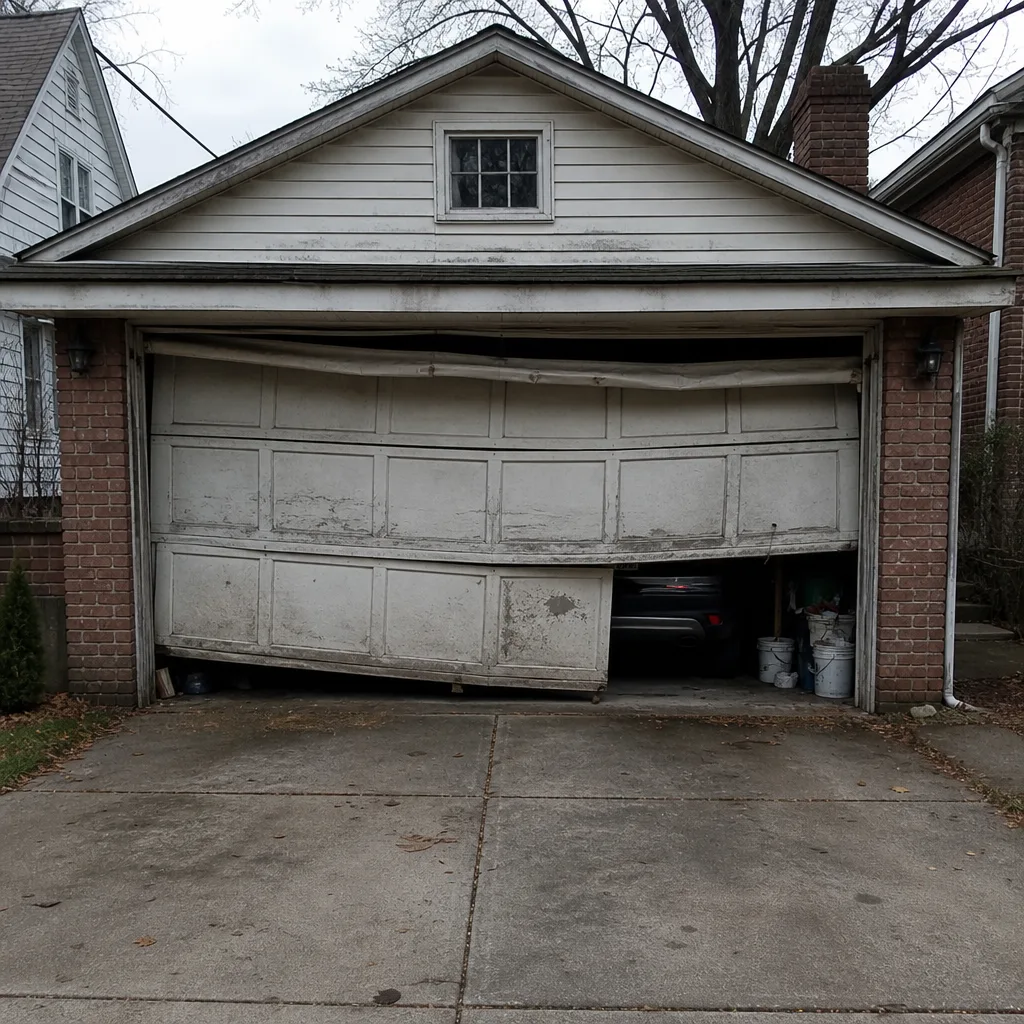
See the difference
 Before
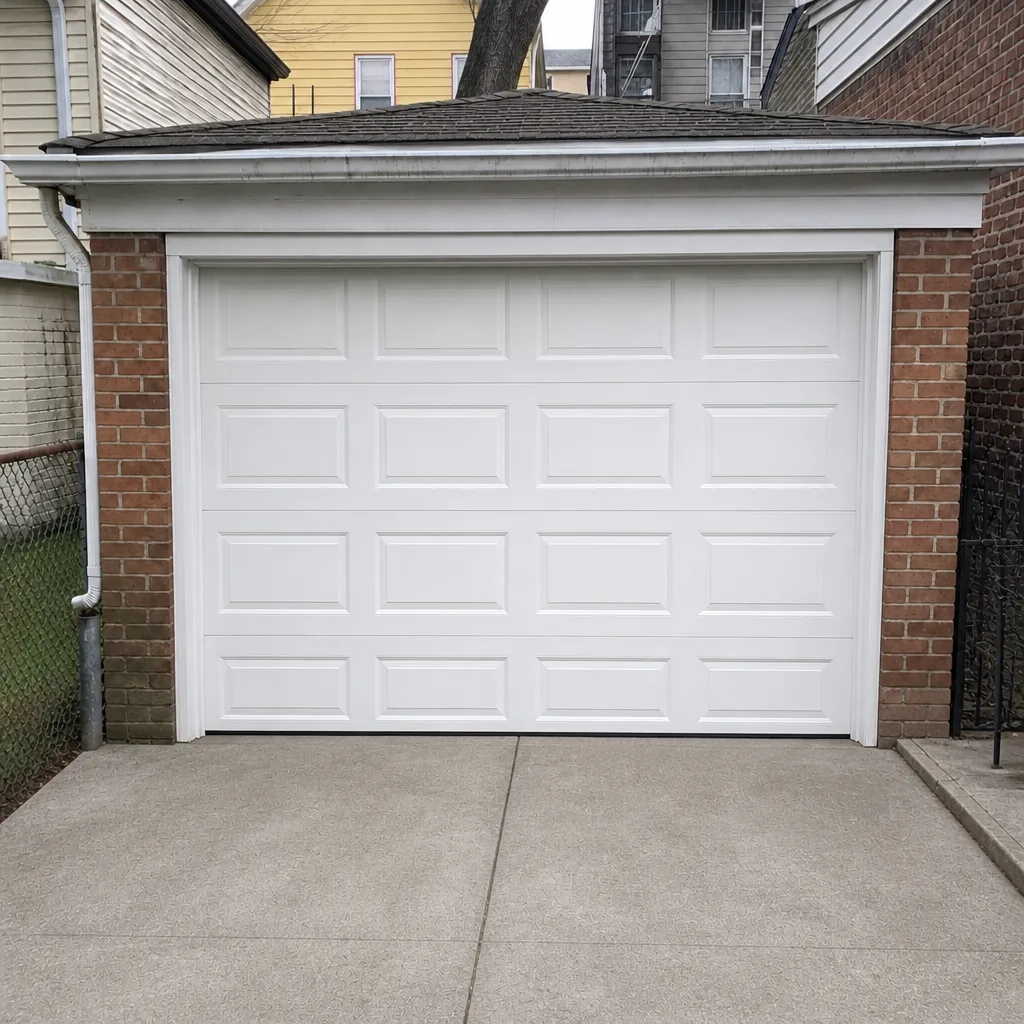 After
 Before
 After
 Before
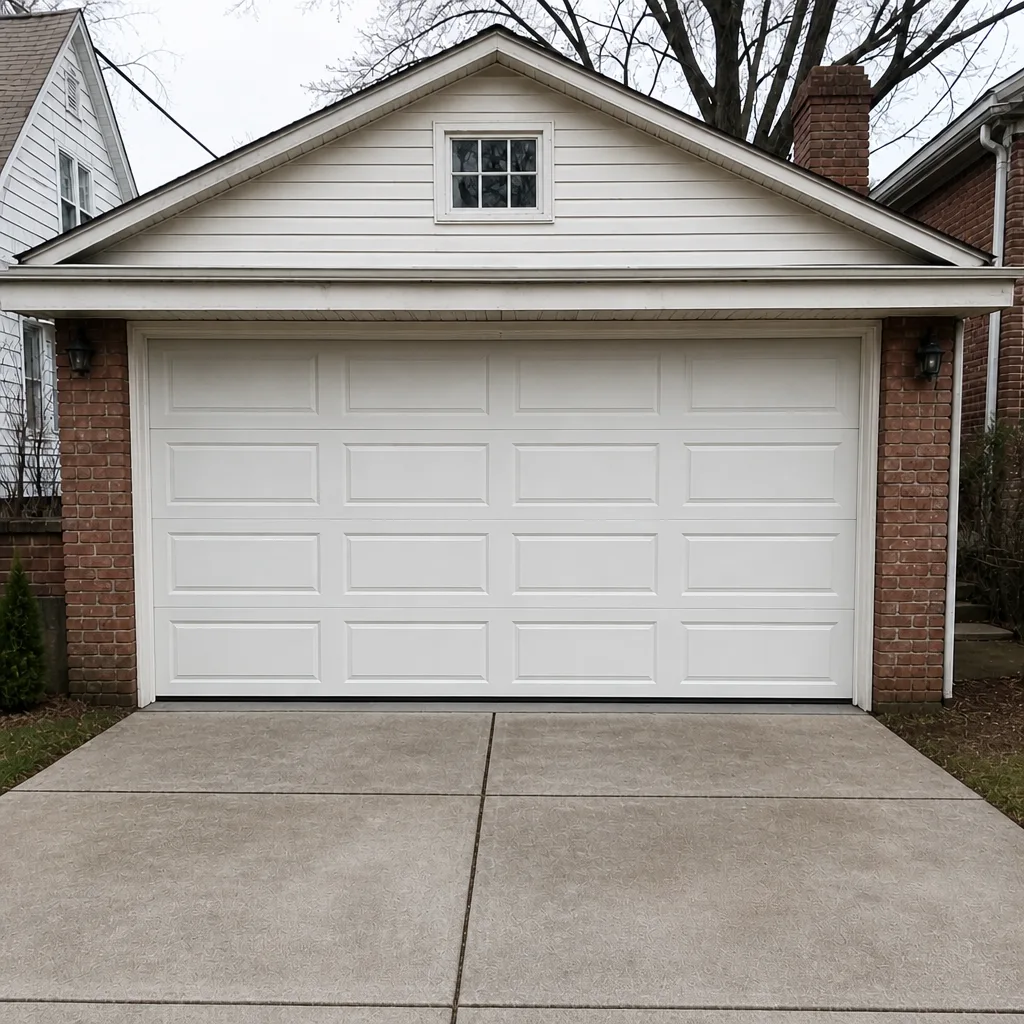 After
When to Call a Professional
Some jobs in Harlem are clear “call someone” situations. A snapped spring or a cable off its drum is the top of that list – stop using the door and get a professional out. A door that won’t reverse, or that lifts crookedly, is a safety call. An opener that’s dead or behaving erratically needs a technician familiar with your brand, whether that’s LiftMaster, Chamberlain, Genie, or a legacy unit. And if you’re planning a replacement or a new install, a free measurement and a written estimate before you order saves you from costly sizing mistakes. Garage Door Repair Harlem offers free estimates in Harlem – call (877) 829-5867. We answer 24/7. Fast dispatch from 7am to 7pm, Sunday through Friday. One call covers the full lifecycle of your door: repair, opener work, springs, installation, and emergency response, with no referral to a second contractor.
Frequently Asked Questions
You likely can’t assume it can. Pre-war and carriage-house garages in Harlem often have openings narrower or shorter than modern stock sizes, plus shallow headroom that limits spring and track options. The only way to know is to measure the opening, headroom, and side-room against the door you’re considering. If those numbers don’t line up, custom sizing is a normal outcome, not a problem.
Yes, if your door is on a building governed by a co-op or condo board, approval is usually required. Boards typically review style, color, windows, and materials because the door faces the street. Submit your request early and get the answer in writing before ordering. Building timelines for approval can run a while, so plan around them.
Yes, in most cases. Spring repair is a dedicated service we handle, and a snapped spring is typically a same-day job. Call (877) 829-5867. We answer 24/7. Fast dispatch from 7am to 7pm, Sunday through Friday. The price is quoted and agreed before any work starts.
The local professionals we connect you with are licensed and insured as required in New York, and we encourage you to verify any contractor’s license through the NYC Department of Buildings and the state licensing system. Our technicians have up to 13 years of experience. Ask for documentation and we’ll provide it.
Repair is usually the right answer, and replacement is the exception. A single component failing – a spring, an opener, a roller – is a repair. Replacement makes sense when the door’s panels are rusted, rotted, or structurally damaged, or when the door no longer fits the opening or the building’s requirements. We diagnose first and lay out both paths so you can decide.
We service LiftMaster, Chamberlain, Genie, Clopay, Amarr, Wayne Dalton, Craftsman, and Raynor. That includes both traditional mechanical openers and modern connected systems. If you’re unsure about your brand, tell us what’s on the door or the opener and we’ll confirm before we come out.
The Bottom Line
Harlem garages ask more of a door than a modern spec sheet accounts for. Pre-war dimensions, street-level exposure, board requirements, and older hardware all shape what’s right for your building. Measure before you buy. Get board approval in writing if it applies. Choose materials for the weather and the street, not just the picture. Repair before you replace unless the door itself is failing. And verify the license of anyone who touches your springs. Do those things and your door will serve you for a long time. When you need someone who knows your brand and your building, that’s the call we’re here for.
Written by the team at Garage Door Repair Harlem.
Call (877) 829-5867 for a free estimate.