
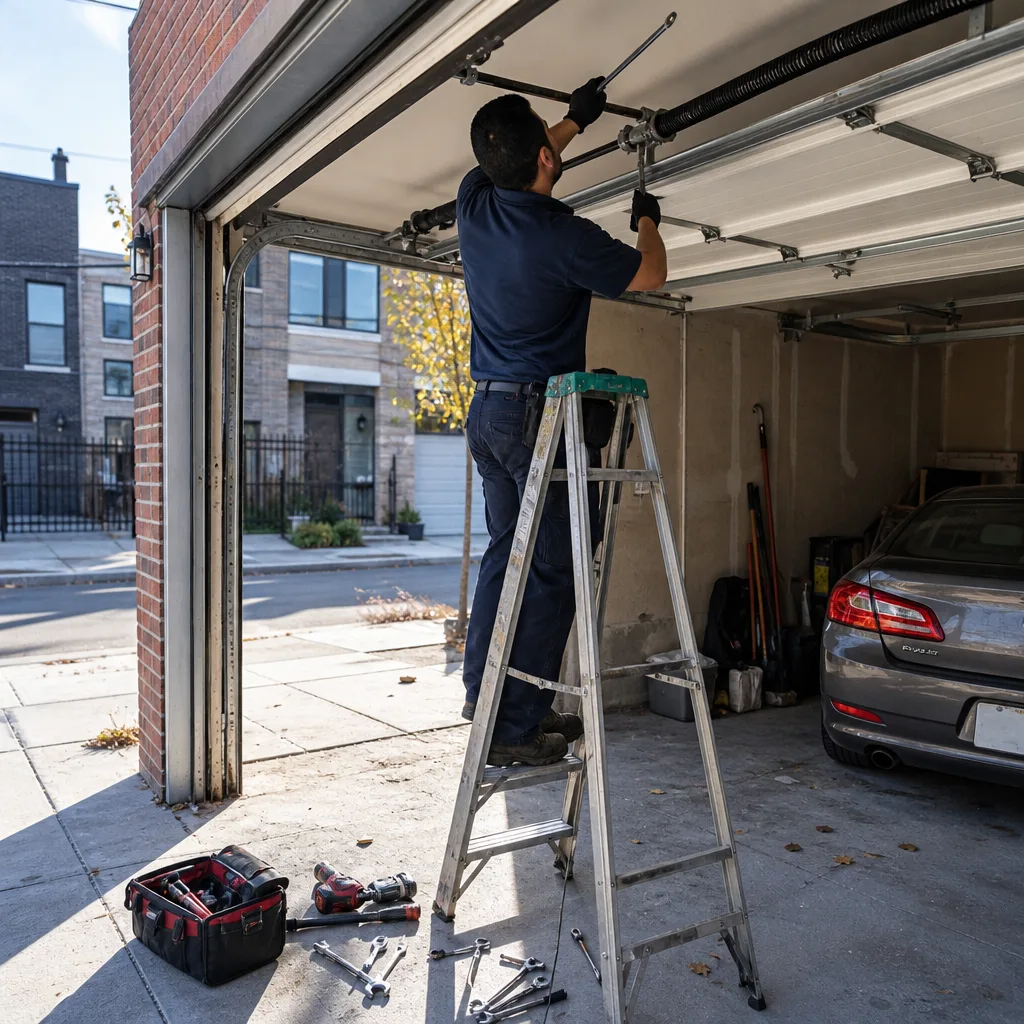
Last updated November 21, 2026
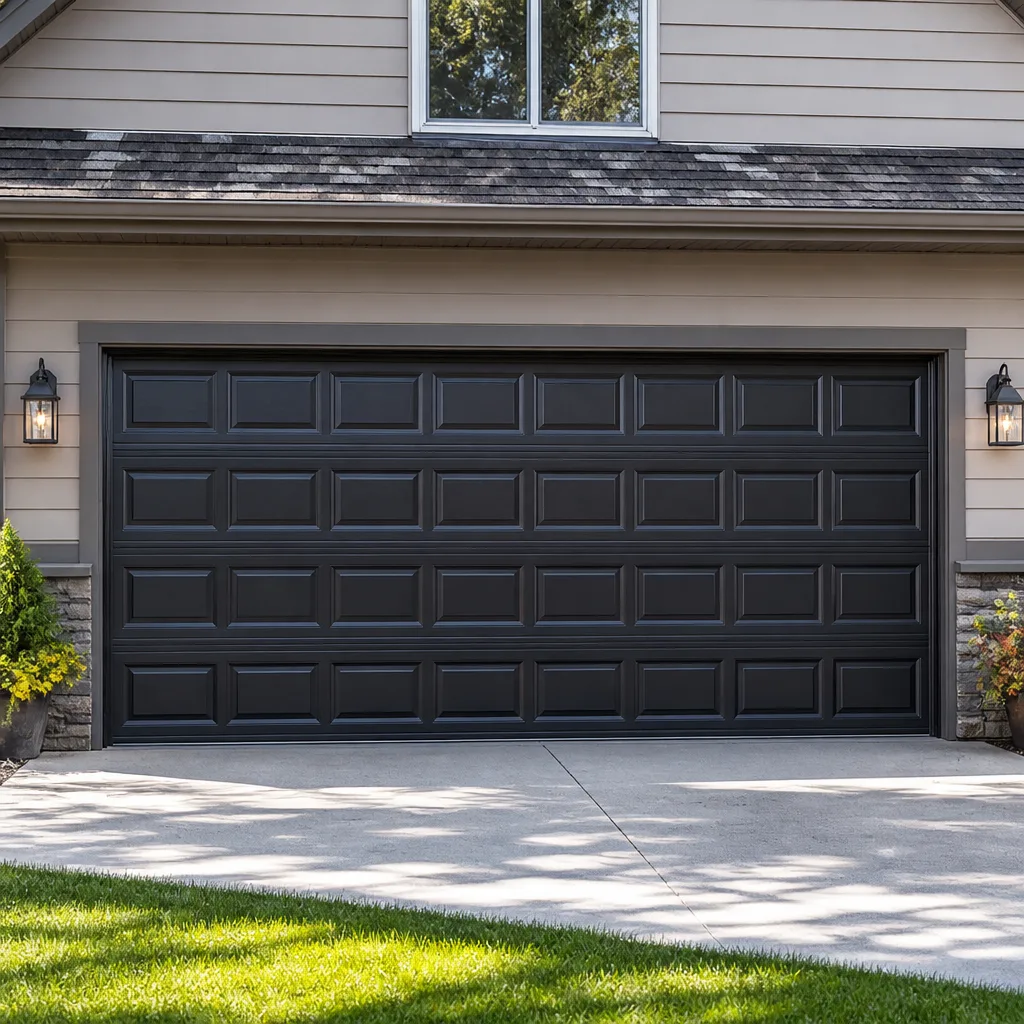 Raised-panel steel
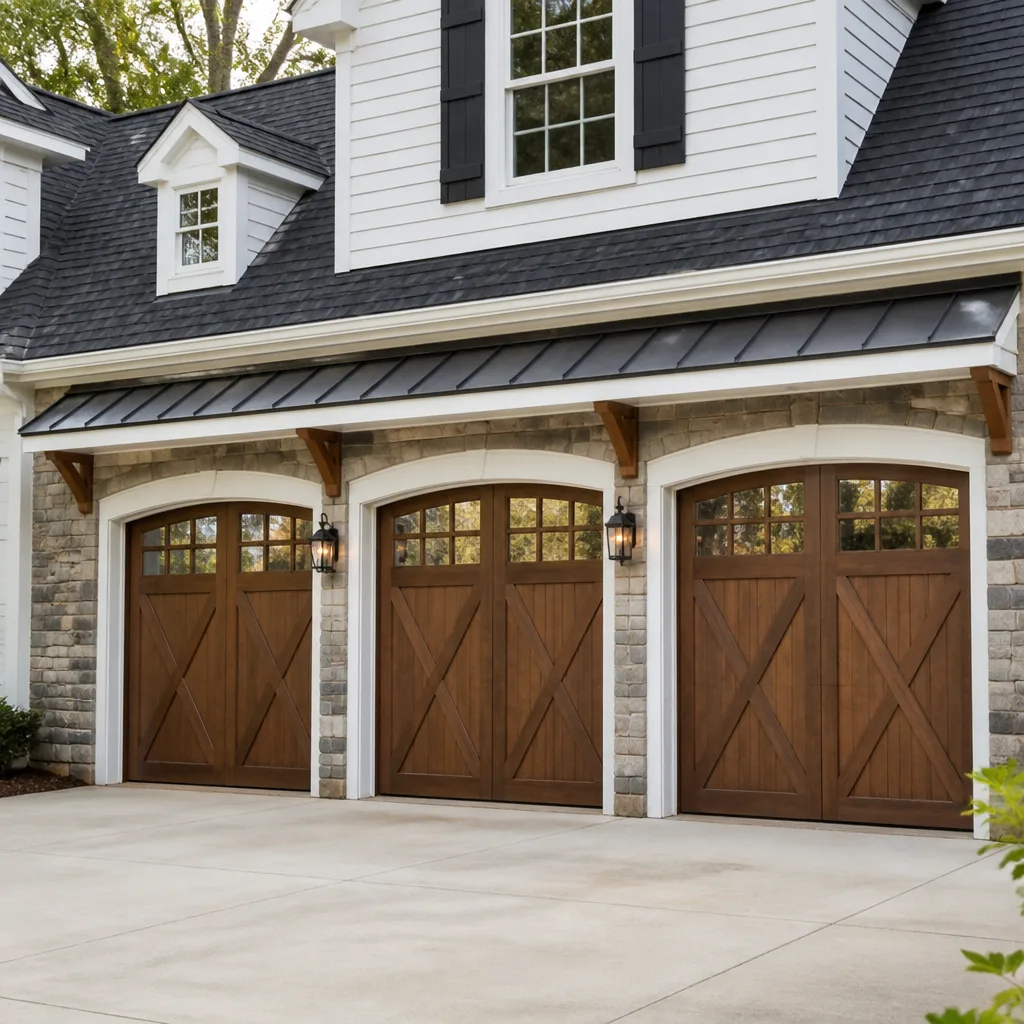 Carriage house
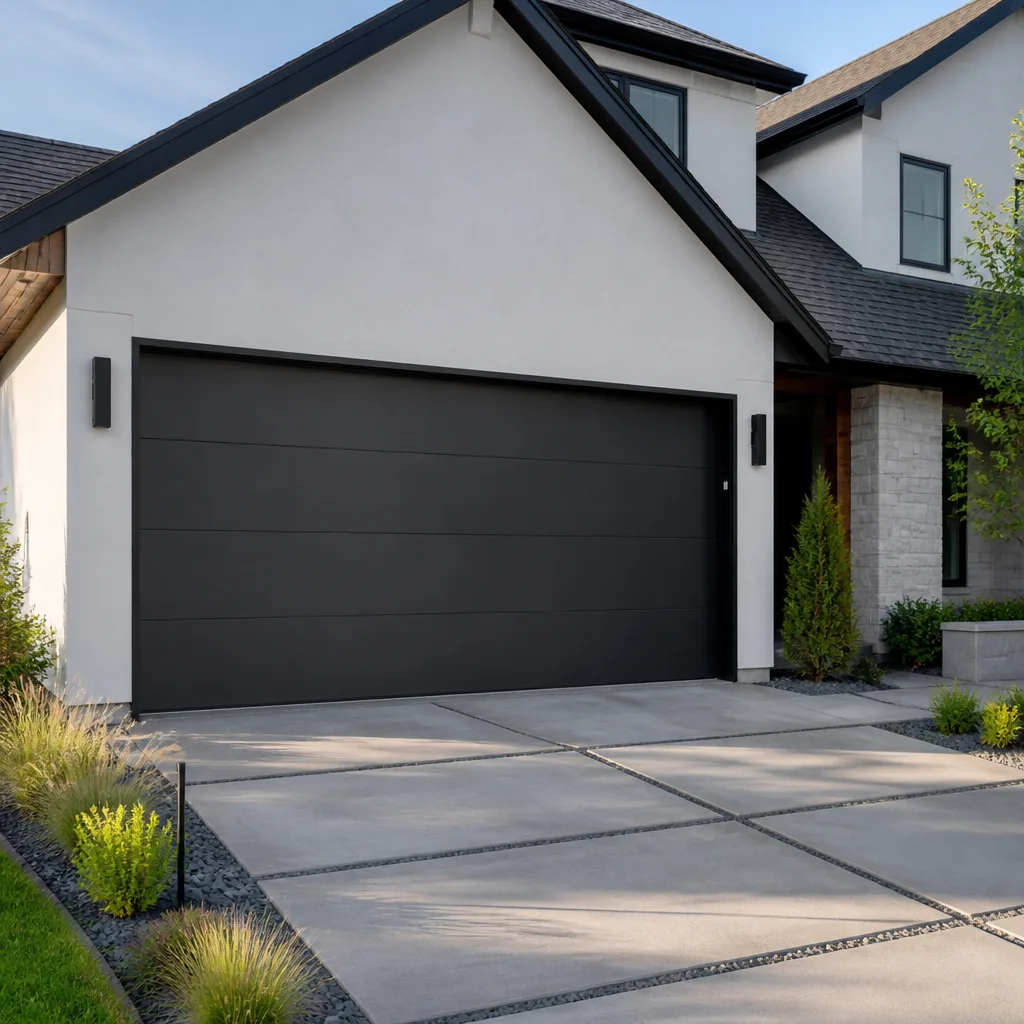 Modern flush
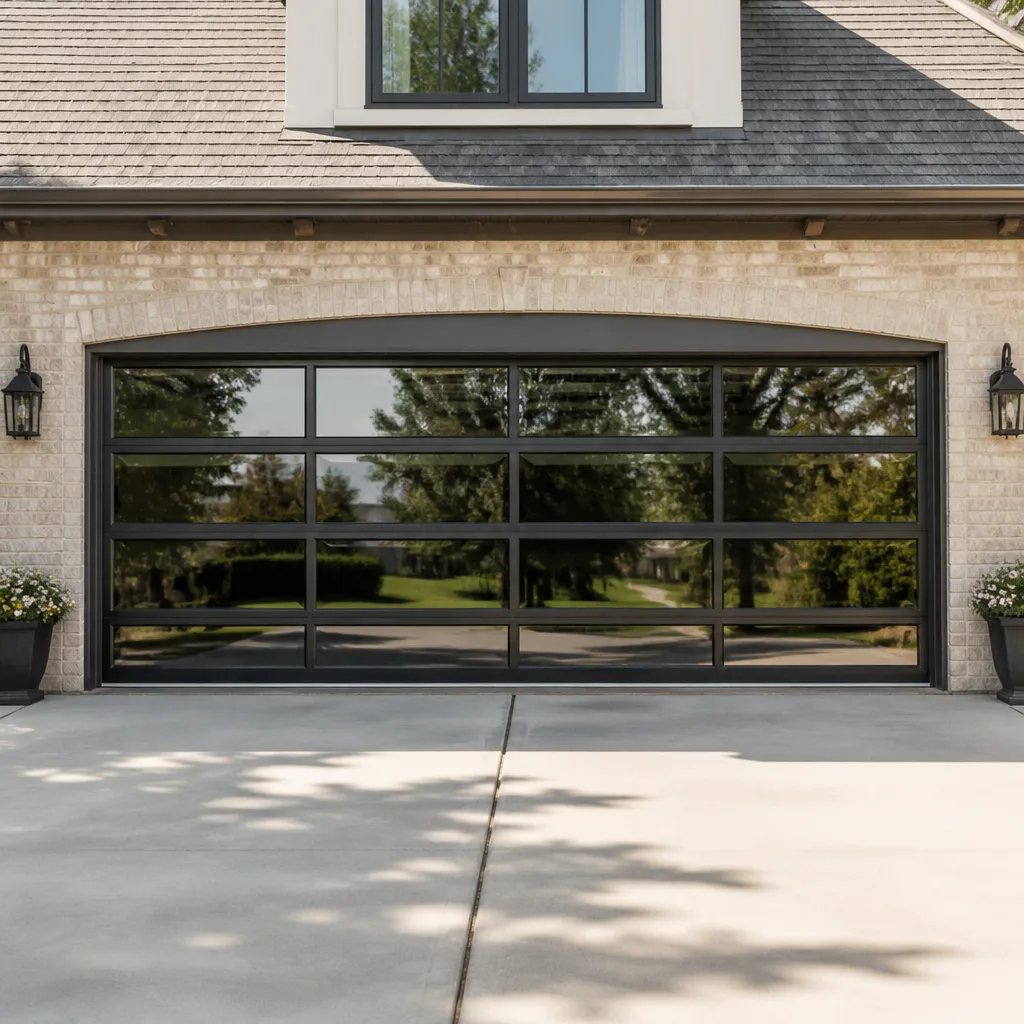 Full-view glass
 LiftMaster openers
 Chamberlain openers
Full 25-point door and opener safety check with every visit - springs, cables, rollers, tracks, and your LiftMaster or Chamberlain opener included
You get a price before we start. It does not change when the pro arrives.
Get your free estimateGarage Door Repair Maintenance Checklist for Harlem Homeowners
Here’s the part most maintenance guides get wrong: they’re written for a suburban door that opens twice a day. A garage door on a Harlem side street gets a different life. Tight street parking pushes residents to pull a car in and out several times daily, delivery vans, MTA buses, and box trucks rumble past close enough to shake the frame, and winter road salt works its way into every track and bottom seal. All of that compresses the maintenance calendar. A door that might coast on an annual inspection elsewhere needs eyes on it every few months here. This guide gives you a checklist calibrated to those conditions, a month-by-month task list tied to Harlem’s seasons, and a clear line between what you can safely check yourself and what belongs with a professional.
Quick Answer
A garage door in Harlem needs a visual check every three months rather than once a year, because urban use cycles the door far more often and street vibration loosens hardware faster. The core tasks are tightening bolts, lubricating springs and tracks, testing the safety reverse, cleaning winter salt from the bottom seal and tracks, and balancing the door by hand. Anything involving springs, cables, or the torsion assembly is a professional job.
Styles & brands we work with
- Raised-panel steel
- Carriage house
- Modern flush
- Full-view glass
- LiftMaster openers
- Chamberlain openers
Table of Contents
- Why Harlem Doors Need a Quarterly Check
- Street Vibration and the Hardware That Loosens First
- Salt, Slush, and the Bottom Seal
- Lubrication Points Ranked by Failure Risk
- A Month-by-Month Harlem Maintenance Calendar
- Opener and Safety Reverse Checks
- Common Mistakes to Avoid
- When to Call a Professional
Why Harlem Doors Need a Quarterly Check
Precision here matters. In a dense neighborhood where street parking is tight, residents rarely pull out just once. People shuffle cars for street cleaning alternate-side rules, they move a vehicle to let someone out, and they open the door and close it again to grab a forgotten bag. Where a suburban door might cycle three or four times on a busy Saturday, a Harlem door can cycle eight or ten times a day, and that eats into the spring and opener lifespan much faster than the calendar suggests.
That’s the cycle-count mindset. Springs are rated in cycles, not years, and every cycle is one open plus one close. When you open the door far more often, you burn through those rated cycles sooner. A door on a side street in Harlem that sees double the cycles of a quiet suburban door reaches the same wear milestone in roughly half the time. So a quarterly inspection here is doing the job an annual one does elsewhere.
What a quarterly check catches is often small on its own and costly together:
- A slightly loose hinge that grinds a roller
- A bottom seal starting to crack where slush collects
- A track pulling a hair out of plumb after months of vibration
- A spring that’s begun to stretch unevenly or show a visible gap
- A safety reverse that hesitates before it reverses
None of these announce themselves. Each one is quiet until it turns into a stuck door at the worst moment. Checking often is how you keep a small problem small, and it keeps you from relying on garage door repair in a panic.
Street Vibration and the Hardware That Loosens First
A garage door is a mechanical assembly hanging in a frame, and a busy street keeps shaking that frame all day. Buses and delivery trucks are the heavyweights. Their vibration travels through the slab, up the door frame, and into every fastener. Over months, the parts that hold the door together start working themselves loose. In our experience working on Harlem doors, a few spots loosen before the rest:
- Hinge screws at the middle joints. These carry the most flex as the door bends through its arc and loosen earliest.
- Roller brackets. The bracket that holds each roller to the door gets a small back-and-forth load every cycle.
- Track fasteners at the bottom brackets. These secure the lowest, heaviest part of the track and take the most impact.
- The top roller brackets on the ceiling-mounted track. Fixed to wood or steel, they can creep after repeated shaking.
- The opener’s wall bracket and rail bolts. On belt and chain openers, the rail bolts vibrate loose and cause rattling.
Here’s the visual tell: lube from last time has left a faint ring around a bolt head. If you can see bare metal or a clean gap under a bolt head, it has started to back out. Check by eye first, then gently test each bolt by hand. Snug, not gorilla-tight. The metal is thin and you’ll strip a thread before you’ll strengthen anything.
If the rattling is coming from an opener unit that shakes or hums without moving the door, that’s a different diagnosis, and our guide to garage door opener repair walks through what a failing unit looks like versus a loose one.
Salt, Slush, and the Bottom Seal
New York winters are hard on the bottom of a door. The bottom seal and the lowest six inches of track take every bit of slush and road salt the tires kick up, and salt doesn’t evaporate. It sits in the seams where the seal meets the door, dries into a crust, and eats away at the rubber from the inside. The track’s lower section corrodes first for the same reason.
What to look for when you check:
- A chalky, gray-white coating on the track. That residue is salt film, and it’s a sign the door is picking up road spray each winter.
- A bottom seal gone stiff or brittle. Press your thumb into it. If it doesn’t spring back or cracks along the edge, it’s done.
- Water getting past the seal. A wet floor line along the door’s inside face means the seal has lost its shape and needs replacing.
- Rust spots on the bottom brackets. Surface rust that darkens year over year is normal here, but flaking rust means the hardware has weakened.
The fix is simple once you spot it. Rinse the track and brackets with plain water each time you clean the door to wash the salt off before it dries. If you use a cleaner, keep it mild and dry the metal right after. A stiff or cracked bottom seal is a low-cost replacement and worth doing before the seal leaks enough to rust the brackets and floor. Putting this task in your late-winter list is the difference between a small repair and a much larger one when the third or fourth snowstorm of the season hits a Harlem block.
Lubrication Points Ranked by Failure Risk
Not every part needs the same lube, and the wrong product can make things worse. New York’s humidity swings from muggy summer to dry winter heating, and grease that’s meant for a dry climate can gum up by August. Here’s the ranking by risk – the parts most likely to fail and most dependent on lubrication first:
- Torsion and extension springs. The highest-risk part in any garage door. A thin coat of white lithium or a silicone-based lubricant on the coils reduces friction and noise. Never grease the inside of a spring that’s already failing – it hides the crack. If you suspect a spring is cracked, stop and call a professional.
- Hinges. Every hinge pivot gets a drop of white lithium. These are where noise starts first and where a seized hinge bends a roller.
- Rollers. Nylon rollers need no lube; steel rollers get a light coat. Too much grease traps grit and turns into a grinding paste on a busy street.
- Tracks. Skip the grease. A dry silicone spray is the right product here. Grease in tracks collects dust and salt and clogs the roller channels.
- Balancing cables and bottom brackets. These are not to be greased. Lubrication there traps grit and shortens the cable’s life.
For NYC’s humidity range, white lithium grease and silicone spray are the two you want on hand. Avoid petroleum jelly and heavy axle grease. Both work in a cold, dry climate and both become a sticky mess here. The right amount of lubricant is barely visible – a thin, even film rather than a coating.
A Month-by-Month Harlem Maintenance Calendar
Tie the tasks to the seasons so you’re doing them at the moment they matter, not on a generic January-to-December list:
- January – post-holiday sweep. Check the bottom seal for salt crust and the track’s lower section for rust. Clean and dry. Test the safety reverse. Lube hinges.
- February – mid-winter check. After a storm run, look for slush build-up in the tracks. Loosen-track fasteners are more common in cold months as the metal contracts and expands with each thaw. Tighten by hand.
- March – thaw inspection. Look for rust on brackets that salt exposed. Replace a stiff bottom seal now rather than in the fall, so it’s fresh going into next winter.
- April and May – full spring maintenance. This is the big tune-up. Balance the door by hand, lube all points, check the opener, inspect the springs for gaps or stretches, and confirm the safety reverse works.
- June and July – heat check. Heat and humidity cause lubrication to migrate and wood jambs to swell. Re-lube springs and hinges. Inspect the opener’s rail for looseness.
- August – pre-autumn prep. Check the weather seal around the top and sides. Confirm the track alignment hasn’t shifted over the summer of vibration. This is a good time to call for a tune-up if you’re behind.
- September and October – winter prep. Check the bottom seal, close any gaps at the frame, apply a fresh coat of lubricant to springs and hinges, and test the opener’s balance.
- November and December – storm readiness. The goal here is a door that fights back against salt, slush and cold. Inspect the seal, check the brackets at the bottom, and lube the moving parts one more time.
The full tune-up in April and the pre-winter prep in October are the two most important checkpoints. Quarterly checks are the minimum; many Harlem homeowners who park in and out repeatedly find monthly visual checks pay for themselves.
Opener and Safety Reverse Checks
Your opener is the part you interact with daily and the part most likely to be taken for granted. On a modern smart unit – a LiftMaster, Chamberlain or Genie with connected features – the same checks apply as on an older mechanical one: does it respond without lagging, does the rail run smooth, does it stop and reverse when it should? Here’s the safe way to check the important safety function:
- Test the reverse on contact. Place a solid object in the door’s path and run the door closed. It should reverse on contact with the object. If it doesn’t, stop using the door and call for repair.
- Test the photo-eye. The sensors at the door’s bottom on either side should break the beam and stop or reverse the door when the beam is interrupted. Check that both lenses are clean; salt spray fog is common in Harlem during the winter and a fogged lens makes the door act erratically.
- Check the opener’s force and travel. If the door reverses on its own mid-travel or doesn’t close fully, the travel limit or force setting is off, and the opener should be recalibrated.
- Listen to the unit. Grinding, humming without movement, or a belt that skips suggests a failing gear or a stretched belt.
If your opener does fail, we work on the mainstream smart and traditional systems – including LiftMaster, Chamberlain, and Genie – so a replacement or repair is handled for your specific brand. For a full scope of what we cover, see Garage Door Repair Harlem.
Common Mistakes to Avoid
- Using WD-40 on your springs and tracks. It’s a light solvent, not a long-term lubricant. It evaporates and leaves the springs drier than before. Use white lithium or silicone.
- Tightening every bolt as hard as you can. Sheet-metal brackets and thin-gauge track strip their threads easily. Snug by hand, not by wrench.
- Ignoring a bottom seal that looks “fine”. By the time a bottom seal looks bad on a Harlem door, the salt has often already reached the brackets behind it. Check the seal by feel, not by eye.
- Working near a torsion spring without training. Torsion springs are under enormous tension. Even a check with a screwdriver can go wrong. If you see a gap, a crack, or a spring that’s stretched unevenly, call a professional.
- Skipping the safety reverse test. This is the single most important thing to check and the one most people forget. A door without a working reverse is unsafe.
- Lubricating everything with the same product. Grease belongs on hinges and springs, not in tracks. The right product makes the door quieter; the wrong one turns the tracks into a dust magnet.
- Putting off a rattling opener. A rattle today becomes a dead unit tomorrow. Loose bolts and worn gears only get worse with a busy Harlem schedule.
When to Call a Professional
Some tasks are for a homeowner and some are for a technician. Call a professional if you see a gap, a crack, or a stretched section on a torsion or extension spring; if the door falls or drops when you raise it by hand; if a cable has snapped or come off a drum; if the door is binding or off its track; if the opener hums but doesn’t move the door; or if the safety reverse doesn’t work. Leave springs, cables and balancing to trained hands. We handle spring repair as a core service because it’s the repair with the most at stake. Garage Door Repair Harlem offers free estimates in Harlem. Call (877) 829-5867. We answer 24/7. Fast dispatch from 7am to 7pm, Sunday through Friday. Our technicians have up to 13 years of experience with the equipment in your garage, whether it’s a LiftMaster opener or a Raynor door.
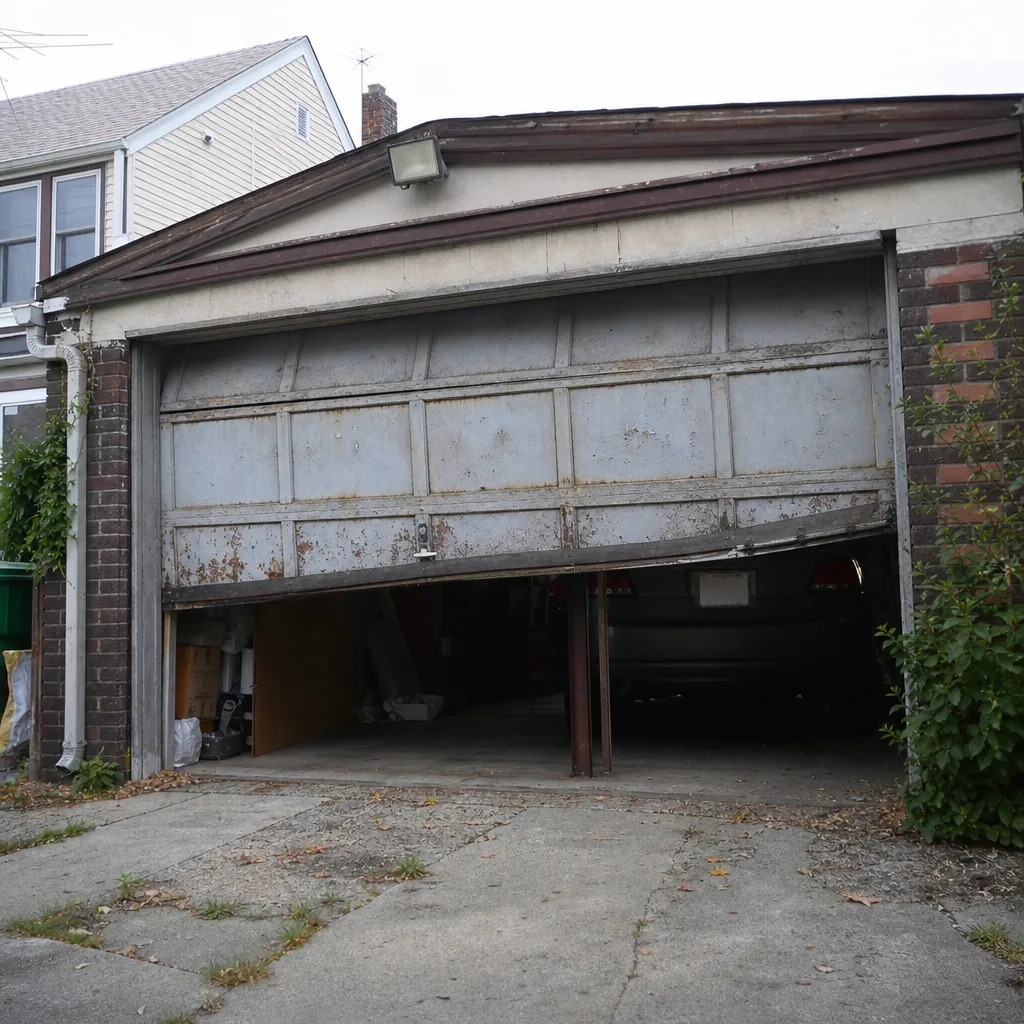
See the difference
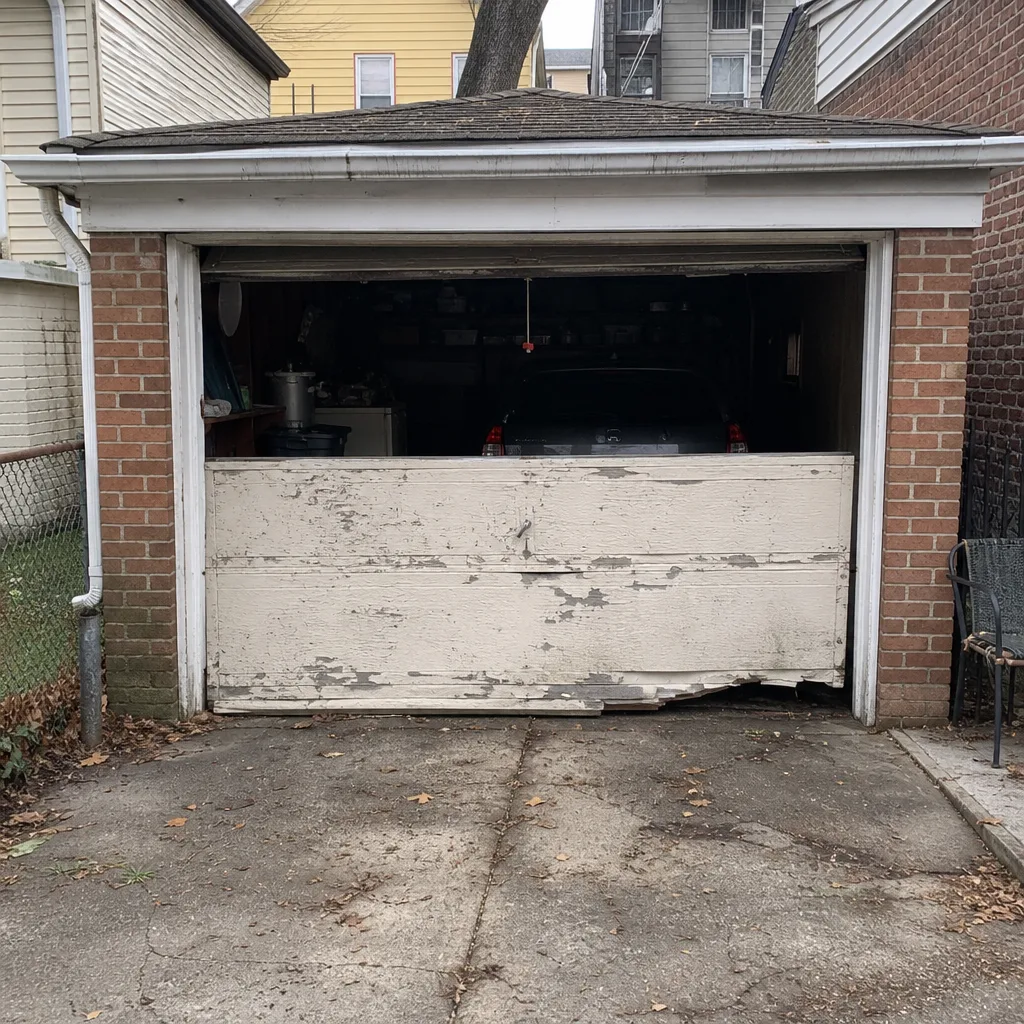 Before
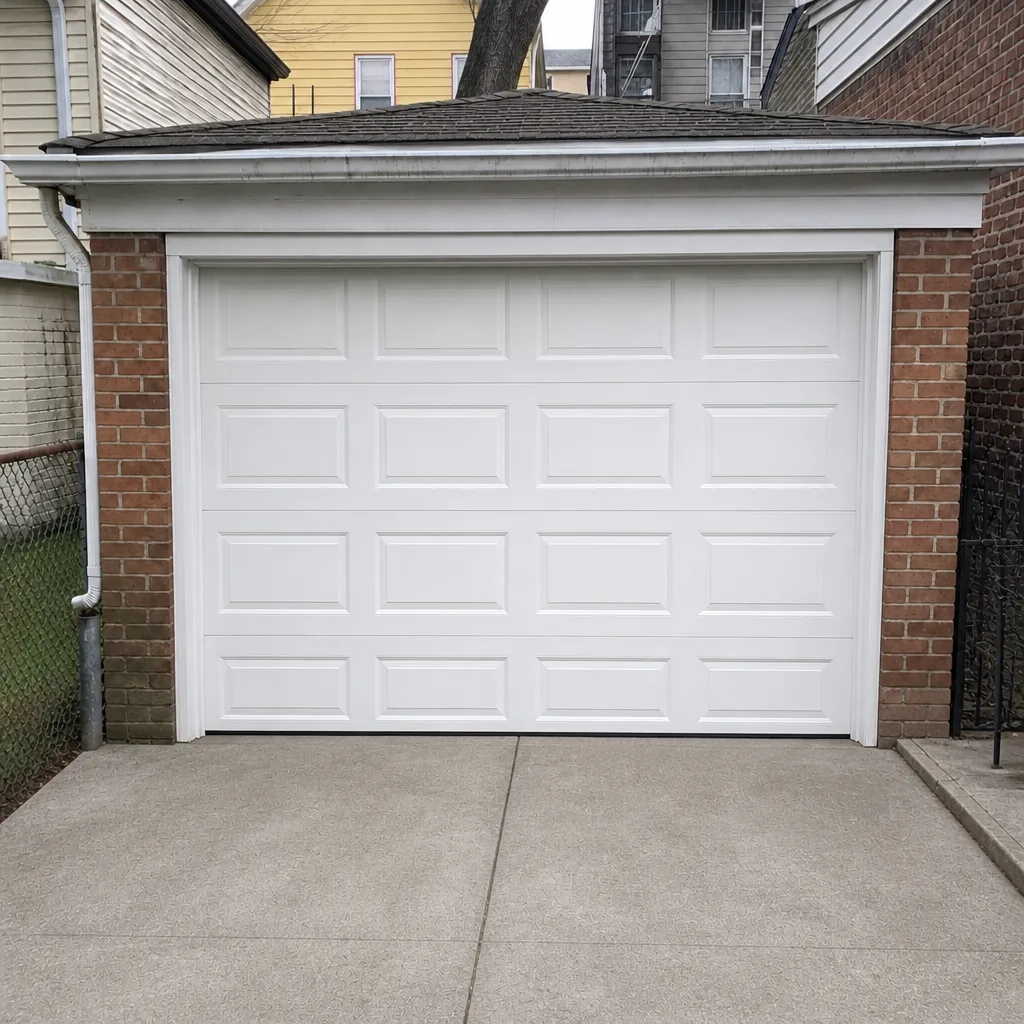 After
 Before
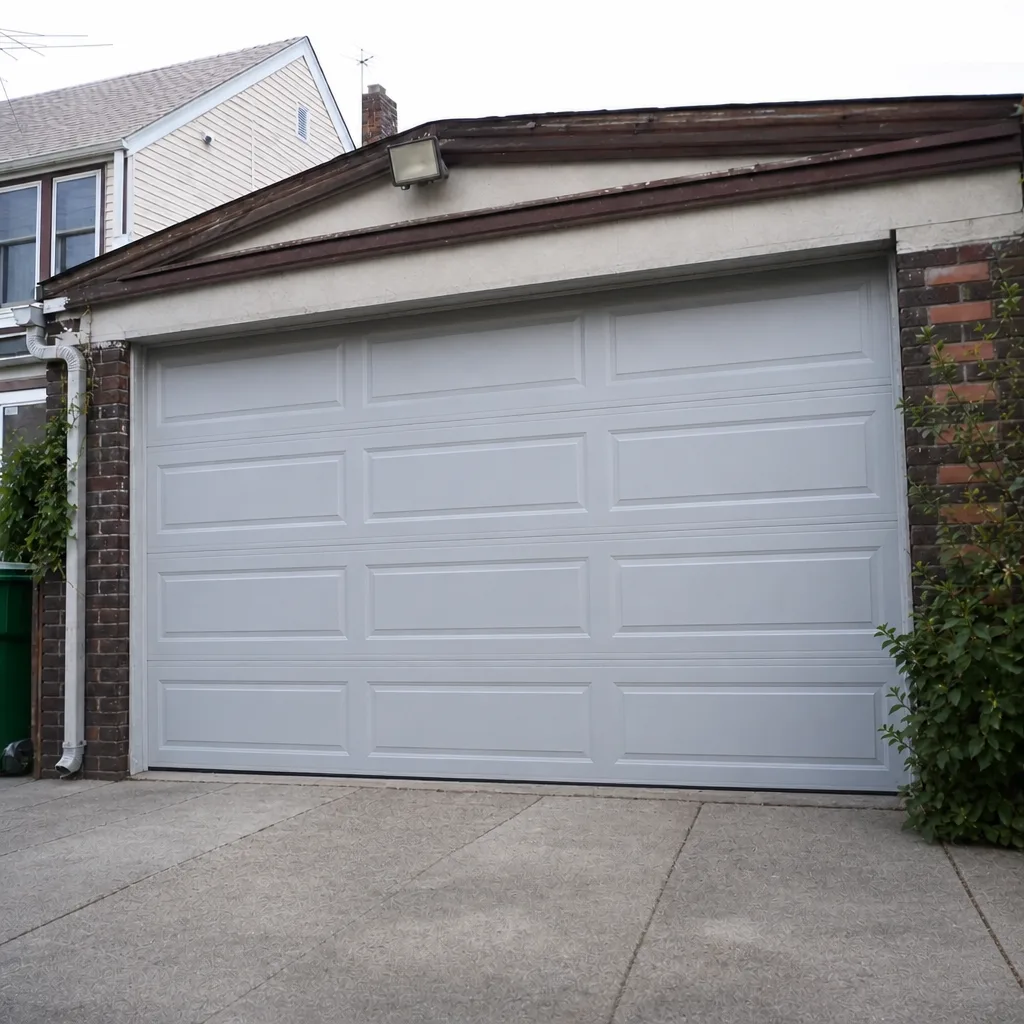 After
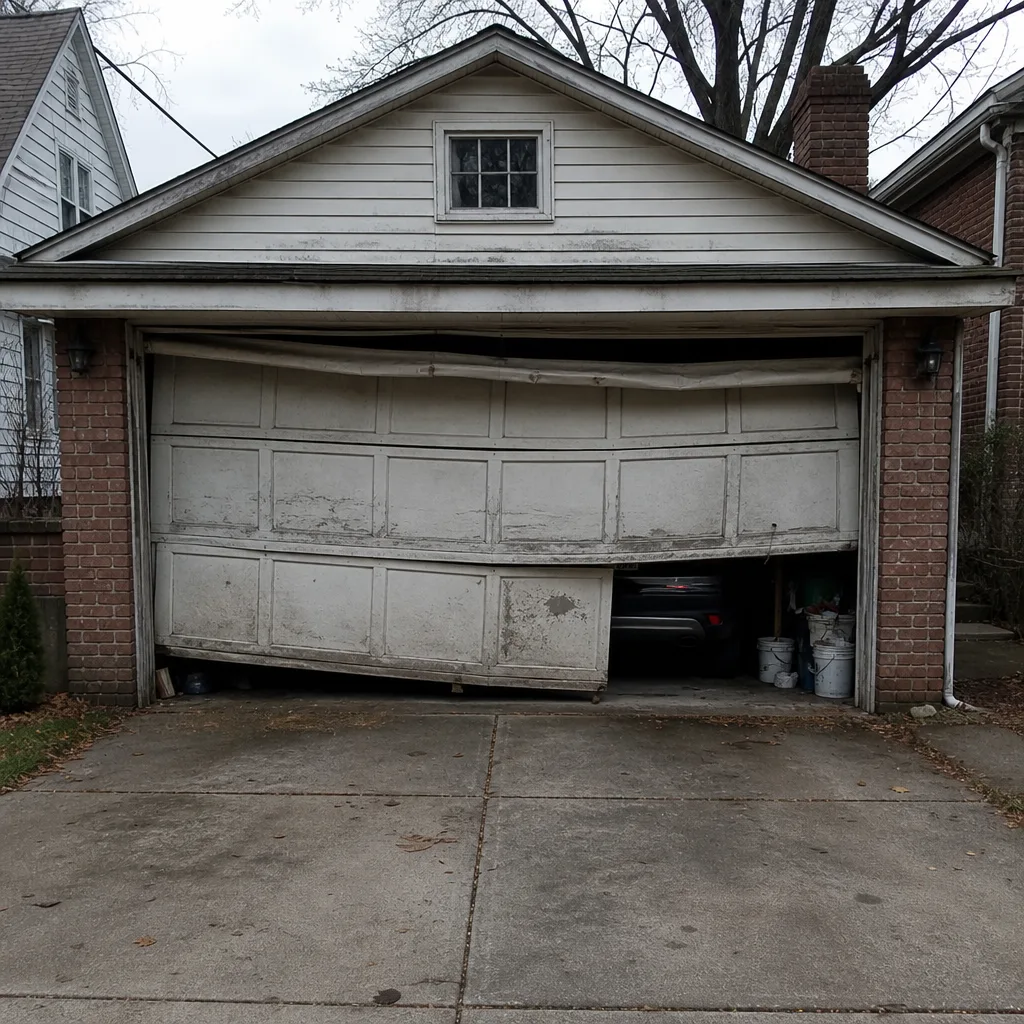 Before
 After
Frequently Asked Questions
Every three months for a visual check, and a full tune-up twice a year. Daily urban use and street vibration wear a Harlem door faster than a suburban one, so quarterly replaces the annual default. If you drive in and out several times a day, monthly checks help.
Yes for hinges, rollers and tracks, but not for springs or cables that are visibly failing. Use white lithium grease on hinges and springs, and dry silicone spray on tracks. Skip grease in the tracks, and never grease a cable. Call (877) 829-5867 for a free estimate if something looks worn.
Street vibration from buses, trucks and heavy vehicles travels through the door frame and works fasteners loose. The middle hinges, roller brackets and the lowest track fasteners loosen first. Check by hand and snug them, but don’t over-tighten.
If the seal feels stiff, cracks along the edge, or doesn’t spring back when you press it, it needs replacing. Salt and slush crack a seal faster. A wet floor line along the door’s inside face is a clear sign the seal has failed.
Often it’s lubrication and a re-tighten of loose hinges. If the noise is a loud pop, a grinding screech, or a snap, that’s mechanical failure and needs an inspection. Call (877) 829-5867 for a free estimate.
We service LiftMaster, Chamberlain, Genie, Clopay, Amarr, Wayne Dalton, Craftsman and Raynor equipment, so we’re familiar with the exact hardware in your garage. New doors are handled through garage door installation. Call (877) 829-5867 with your brand and model for an estimate.
The Bottom Line
A Harlem door needs a shorter maintenance clock than most guides suggest, and the reason is simple: you cycle it more and the street shakes it harder. Quarterly visual checks and a full tune-up every spring and fall cover the essentials. Keep the bottom seal clean of salt, lubricate the right parts with the right products, test the safety reverse every time, and leave springs and cables to a professional. That’s the whole discipline. If something on the checklist looks worn or out of reach, Garage Door Repair Harlem offers free estimates. Call (877) 829-5867 to set one up.
Written by the team at Garage Door Repair Harlem.