
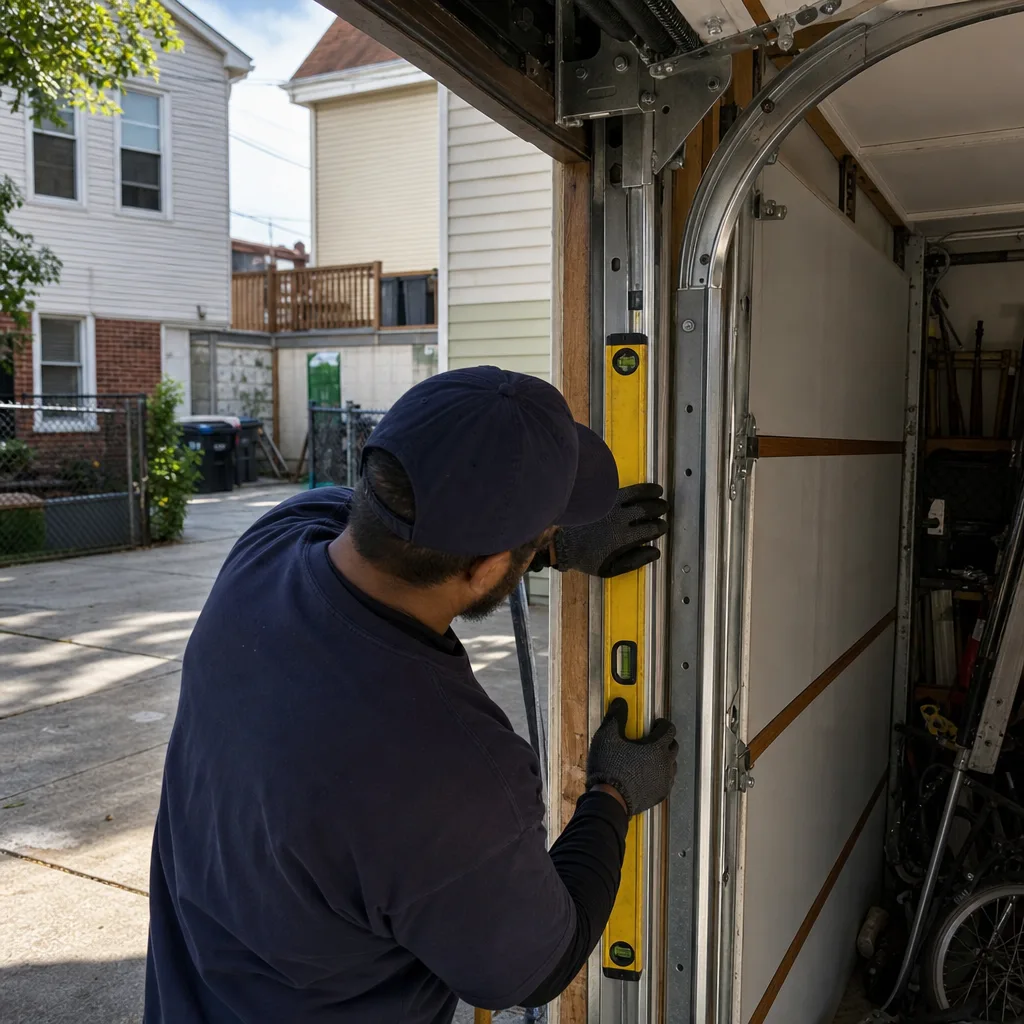
Last updated November 21, 2026
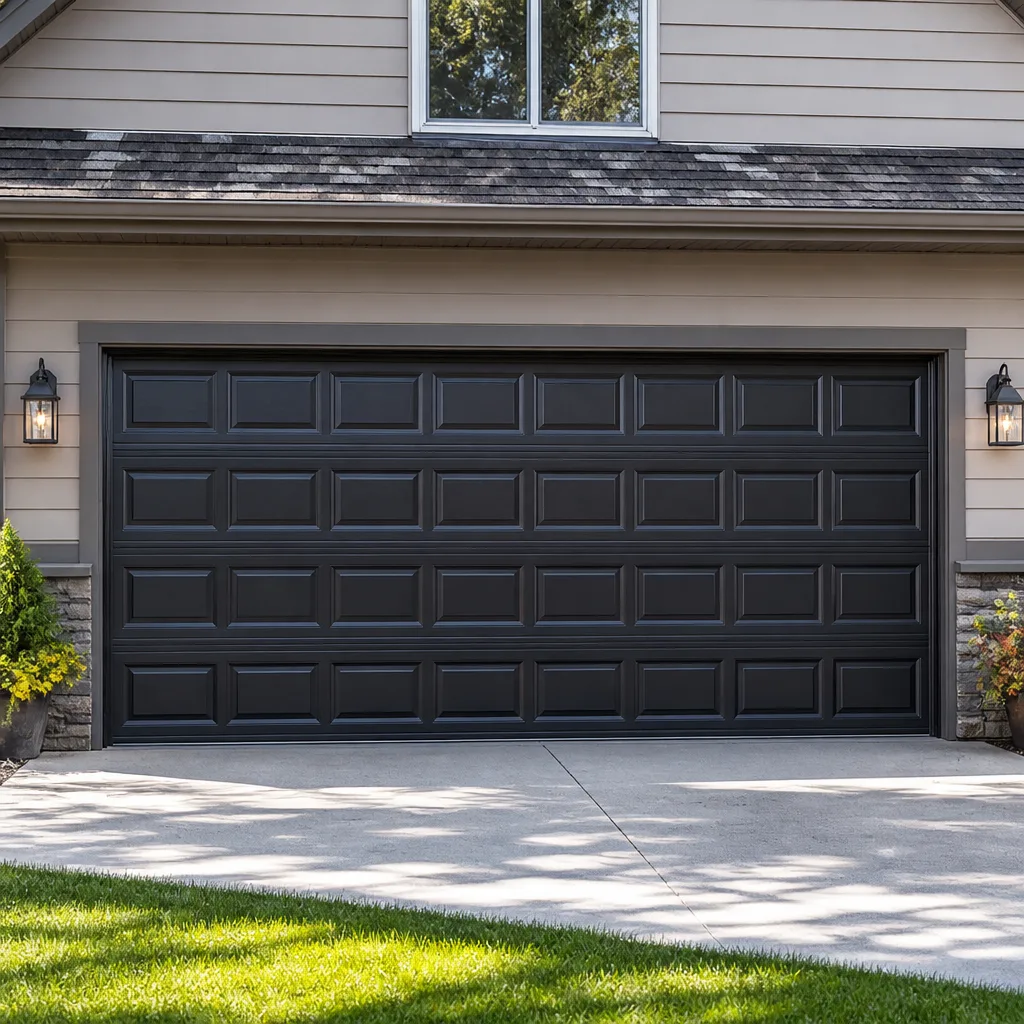 Raised-panel steel
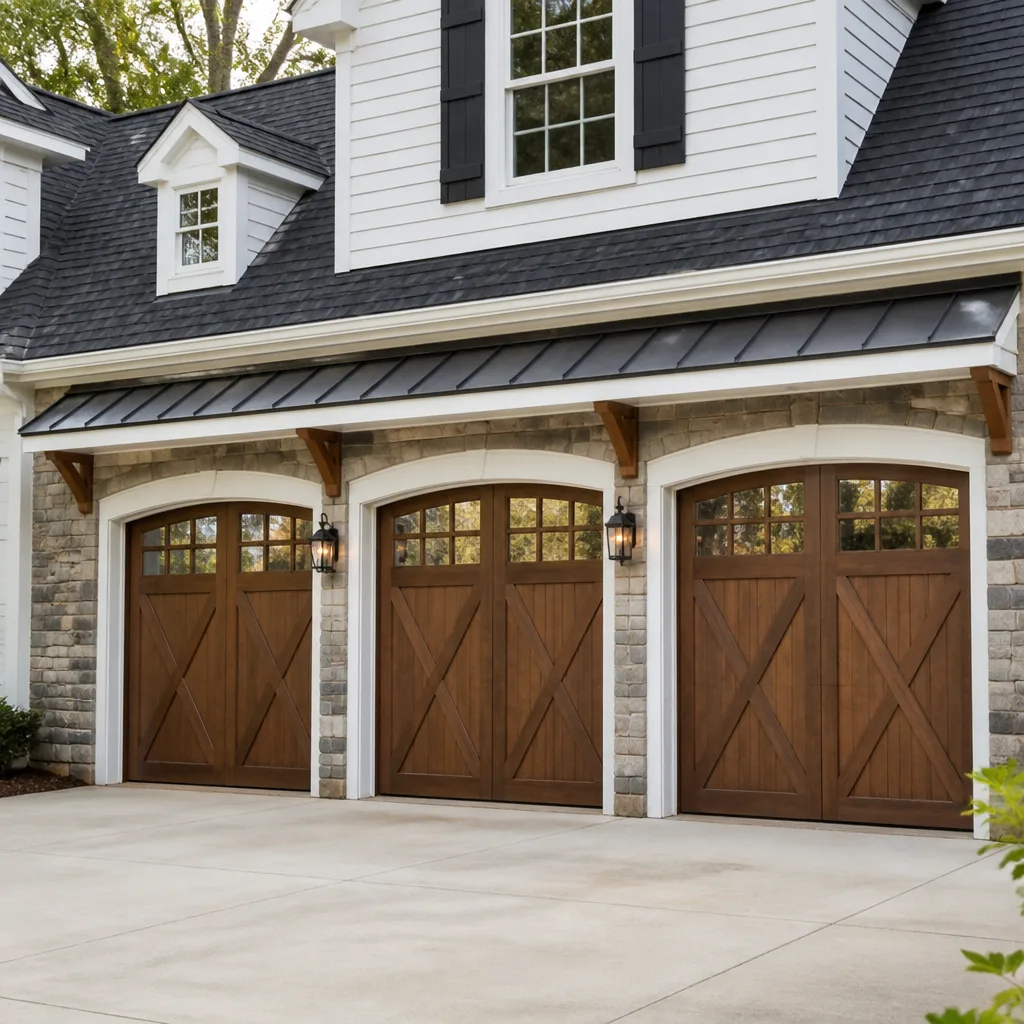 Carriage house
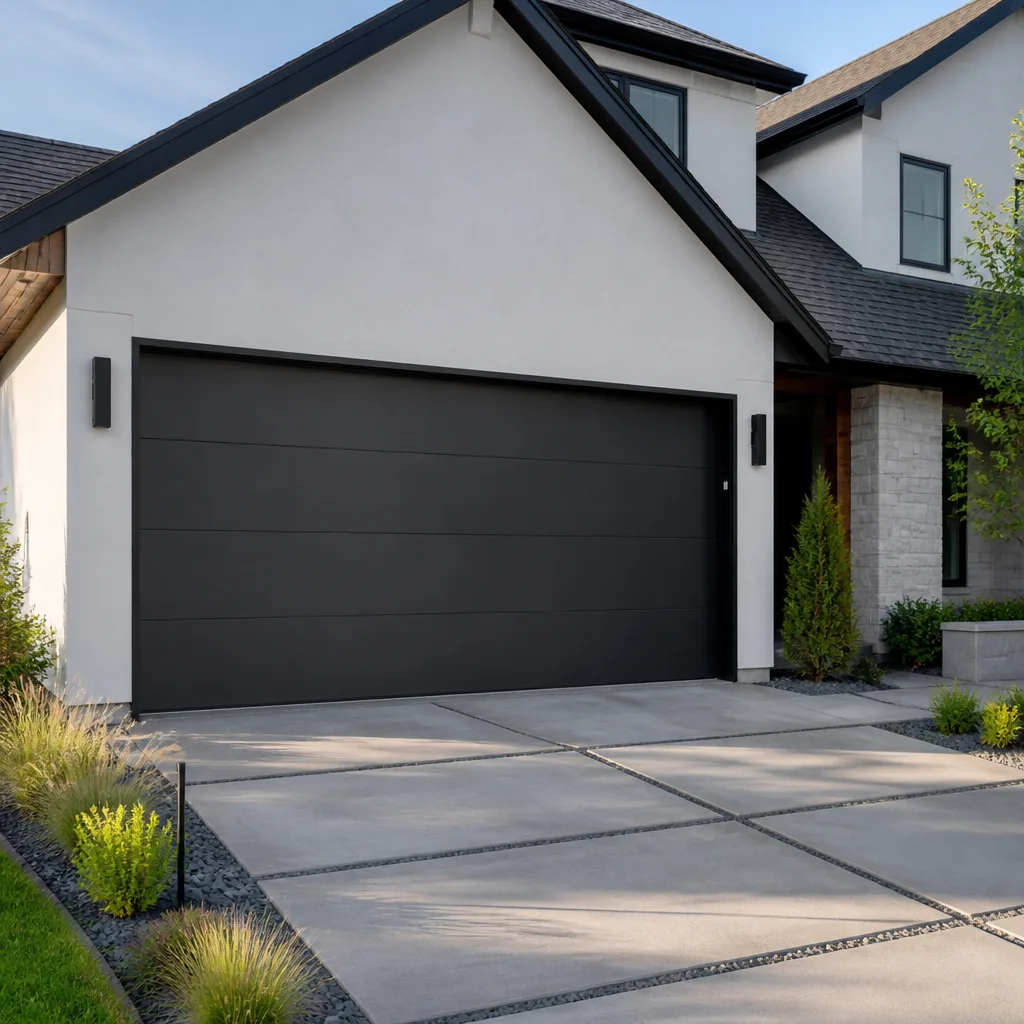 Modern flush
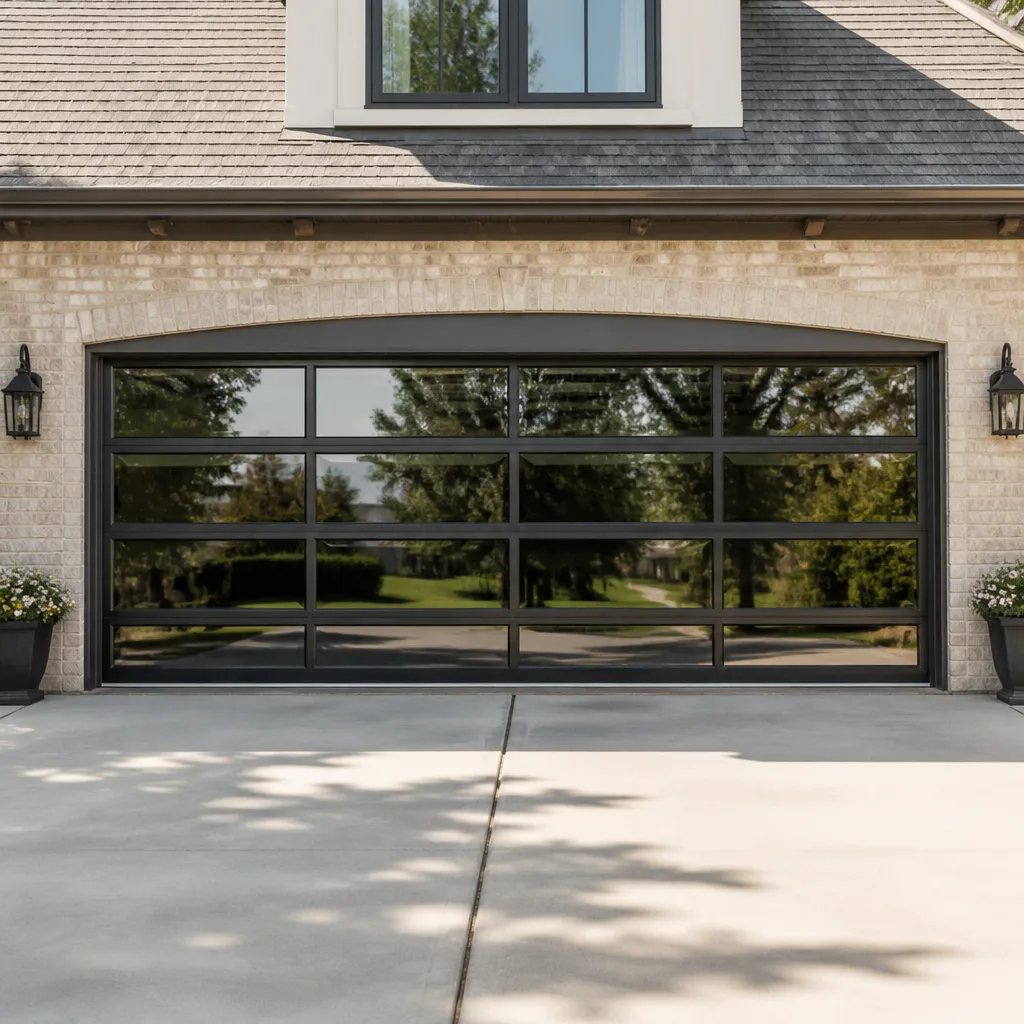 Full-view glass
 LiftMaster openers
 Chamberlain openers
Full 25-point door and opener safety check with every visit - springs, cables, rollers, tracks, and your LiftMaster or Chamberlain opener included
You get a price before we start. It does not change when the pro arrives.
Get your free estimateGarage Door Permits, Codes & Inspections in Harlem, NY: What You Need to Know
Here’s the part that surprises most homeowners in Harlem: whether your garage door project needs a permit has almost nothing to do with the door itself. It has to do with what the work changes. Swapping a damaged panel or a worn opener on the same opening is usually maintenance. Change the size of the opening, alter the header above it, or add a powered opener to a system that never had one, and you’ve moved into a different category under the New York City Building Code. The contractor who waves this off and tells you a permit isn’t needed is handing you the risk, not removing it. This guide walks through where that line actually sits, how Harlem’s historic districts add a second layer of approval, what happens when unpermitted work surfaces at a sale or refinance, and how to verify a permit yourself.
Quick Answer
In most cases here, a like-for-like garage door replacement on an existing opening does not require a work permit, but any change to the opening’s size, the structural header, or the addition of a powered opener to a previously manual door is an alteration that generally does. If your building sits inside one of Harlem’s historic districts, exterior door changes also need Landmarks Preservation Commission approval before any work begins. Always confirm the specifics with the NYC Department of Buildings and, where relevant, the LPC rather than relying on a contractor’s word.
Styles & brands we work with
- Raised-panel steel
- Carriage house
- Modern flush
- Full-view glass
- LiftMaster openers
- Chamberlain openers
Table of Contents
- What Counts as an Alteration Under NYC Building Code Chapter 34
- Permit or No Permit? The Garage Door Decision Tree
- Harlem’s Historic Districts and the LPC Layer
- What Happens If Unpermitted Work Is Discovered
- Who Pulls the Permit: Homeowner or Licensed Contractor?
- Checking Permit Status in DOB NOW
- What an Inspection Actually Looks At
- Costs and Timelines in Harlem
What Counts as an Alteration Under NYC Building Code Chapter 34
The New York City Building Code’s Chapter 34 governs existing buildings, and it’s where the answer lives. The chapter sorts work into categories, and the category your project falls into decides whether a permit and a Department of Buildings filing are involved. Garage door work covers a wide range. At one end is a straight replacement of a damaged section with the same size and style. At the other is structural work that changes the opening itself.
The distinction matters because the code doesn’t classify work by trade. It classifies it by what happens to the building. A door is an opening in a wall, and that wall may be load-bearing. The header above the opening carries load. Alter the header, widen the opening, or raise its height, and you’ve touched structure, which pulls the project into the territory where a filing and inspection are expected.
Three broad buckets apply to garage doors in Harlem:
- Maintenance and repair. Replacing a spring, a cable, a roller, a panel in kind, or a failed opener with the same type. Generally no permit.
- Alteration without structural change. Installing a new powered opener on a door that was manual, or replacing a door with a different material or model that fits the same opening. This is where the lines blur, and where you should ask the DOB directly.
- Alteration with structural change. Widening or heightening the opening, altering or replacing the header, changing the door type from a swing to a roll-up or sectional, or removing a wall section around the opening. A filing and permit are typically required.
We’ve seen plenty of Harlem homeowners told a structural change is “just a door swap.” It isn’t, and the paperwork trail is what protects you later. When you’re ready to have the work done correctly, our garage door installation team can help you understand what the job involves before anyone orders a door.
Permit or No Permit? The Garage Door Decision Tree
Use this sequence to sort your own project before you call anyone. It isn’t a substitute for a conversation with the Department of Buildings, but it will tell you which questions to ask and whether a contractor’s claim passes the smell test.
- Is the opening staying the same size? Same width, same height, same location. If yes, you’re likely in repair territory. If no, a filing is typically needed.
- Is the header or any framing around the opening being touched? Any change to structural framing usually triggers a permit and inspection.
- Is there a powered opener going in where none existed before? This adds an electrical component and, depending on the building class, may require a filing. Ask the DOB whether your address falls into that category.
- Is the door type changing? Swinging to sectional, roll-up to sectional, or any change that alters how the door operates and attaches to the structure is an alteration.
- Is the building in a historic district? If yes, exterior changes need LPC approval first, regardless of the DOB answer.
- Is the building a multi-family or mixed-use property? The rules around shared openings and egress in a multi-family Harlem building can add requirements a single-family homeowner won’t face.
If you answer “yes” to any of questions two through five, treat the project as an alteration and verify with the DOB. The cost of a filing is small compared with the cost of a problem discovered years later. Our garage door repair team can handle the mechanical side of the job once the paperwork question is settled; sorting the permit question is a conversation you should have directly with the city.
Harlem’s Historic Districts and the LPC Layer
Harlem has a substantial concentration of historic districts, and if your property sits inside one, the Department of Buildings is only half the story. The Landmarks Preservation Commission reviews any change to the exterior of a building in a designated district, and a garage door on a street-facing façade is exactly the sort of exterior element they look at. That means before a door is ordered, the LPC review process runs alongside the DOB question.
What the LPC cares about is the visible character of the building. In practical terms, that means the material, the glazing pattern, the color, and whether the proposed replacement reads as consistent with the streetscape. A modern insulated sectional that matches the opening dimension but looks nothing like the original can run into a wall at the LPC stage, even when the DOB filing is clean.
The order of operations matters:
- Check district status first. The LPC maintains maps of every designated district. Confirm your block is in one before you sign a contract for an exterior door.
- Submit for LPC review before ordering. A door that can’t be approved is a door you’ll be trying to return.
- Coordinate the two approvals. DOB and LPC run in parallel, and neither substitutes for the other.
- Keep the approval on file. When the property sells, the paper trail is what proves the work was authorized.
We work on doors in these neighborhoods regularly, and we’ve learned to ask about historic district status early rather than after the fact. If you’ll need a door picked out in consultation with the LPC’s guidance, our Garage Door Repair Harlem team can talk through which models are likely to read well against a historic façade.
What Happens If Unpermitted Work Is Discovered
Unpermitted work that surfaces at a sale or refinance is one of the more expensive surprises a homeowner can hit, because the discovery almost always happens at the worst possible time. The buyer’s title search or the lender’s appraisal flags it. A building inspector or title company notice follows. The work is legal, but the paperwork isn’t, and the transaction stalls until it’s resolved.
What “resolved” usually means:
- The work gets inspected after the fact. That can mean opening up walls or exposing framing to prove the construction matches code, even for a job that was done correctly.
- Fines and violation fees apply. The DOB assesses penalties for work done without a required permit, and those penalties can accumulate.
- Sign-off becomes the buyer’s problem. A buyer may walk, or may discount the price to cover the cost of the corrections and the time to complete them.
- The refinance or sale can be delayed by months. Appraisers and title companies won’t clear a property with an open violation.
A structural change that altered the opening and was never filed is the most serious version, because the structural question is what inspections are meant to answer. A door swap done in kind with no structural change is the least serious, though the paper trail still matters. The common thread is that the cost of proving the work was safe after the fact is far higher than the cost of filing before the work starts. Our garage door opener repair team has walked into plenty of these conversations, and the honest answer is always the same: if the city requires a permit for the work, get the permit before anyone touches the door.
Who Pulls the Permit: Homeowner or Licensed Contractor?
New York City allows a homeowner to pull a work permit for a single-family home they occupy, provided the work is limited to their own property and they are not doing work for hire. In practical terms, if your garage door project is on your own single-family Harlem home and you’re the one coordinating the work, you can file it yourself. If the property is a multi-family, mixed-use, or income property, the answer changes: the permit generally needs to be pulled by a licensed contractor.
Two paths, in plain terms:
- Homeowner-filed permit. You register with the DOB, submit the application, and take on the responsibility for the filing, the schedule of inspections, and the final sign-off. Best suited to a single-family home you live in and a straightforward alteration.
- Contractor-filed permit. A licensed contractor applies under their own credentials and carries the filing through inspections. Required for most multi-family and mixed-use properties, and often the cleaner path whenever an inspection needs to be coordinated with the trades.
What a homeowner may not do is hire an unlicensed person to do work that requires a licensed contractor and have that person pull the permit. Permit fraud is taken seriously by the DOB, and the consequences land on the property owner as much as the contractor. Ask any contractor you hire for their license number before work begins, and verify it against the DOB’s licensee lookup. The behavior of the person pulling the permit is the single clearest signal of whether a job is being handled properly. If a technician arrives on your property and starts telling you a permit isn’t needed for a structural change, get a second opinion from the DOB before you sign anything.
Checking Permit Status in DOB NOW
If a contractor tells you the work has been permitted, you should verify that in DOB NOW before relying on it. DOB NOW is the Department of Buildings’ online portal for filings, permits, inspections, and complaints, and it’s open to the public. You don’t need an account to look up a permit on a property.
- Go to the DOB NOW public portal. The Buildings Information System and DOB NOW both publish permit and inspection records.
- Search by property address. Enter the street number and street name as they appear on the property record. The borough is New York, so you won’t need to specify Manhattan.
- Look for the permit record. The record will show the permit number, the work type, the applicant, and the filing status. A permit that has been filed but not approved is not yet valid work authorization.
- Check the inspection record. A permit that was never inspected and signed off is not a closed permit. Confirm the final sign-off exists before you consider the job done.
- File a complaint if the record doesn’t match what you were told. The DOB accepts complaints for work done without a permit or work that doesn’t match the filed scope.
This check takes ten minutes and is the surest way to know what you’re dealing with. If a permit number doesn’t come up, or comes up for different work than what’s on your door, that’s a problem worth escalating with the DOB before you pay a final invoice.
What an Inspection Actually Looks At
An inspection is not a review of the door’s finish. It’s a check that the work matches the filing and the construction meets code. For a garage door alteration that involves the opening or the header, the inspector is interested in structural integrity, attachment, and safety, not the model of door you picked.
Typical inspection focus areas:
- Header and framing. Does the structural element above the opening match what was specified in the filing?
- Attachment and anchorage. Is the door track and hardware anchored to framing that can take the load?
- Clearances and safety devices. For a powered door, the safety reverse and photo-eye systems have to be in place and operating.
- Scope match. The work has to match the filed scope. If the filing said one thing and the door is something else, the inspection fails and the record stays open.
Where the LPC is involved, a separate review checks that the installed exterior matches what was approved. That’s a design review, not a construction inspection, but both have to clear before the project is truly finished. In our experience, inspections go smoothly when the scope was filed accurately to begin with and less smoothly when a contractor filed a vague scope to save time. File it correctly the first time and the inspection is a short visit.
Costs and Timelines in Harlem
Permit and filing costs in New York are set by the DOB’s fee schedule, so they’re a fixed part of the project rather than something a contractor negotiates. The garage door work itself is priced separately by a written estimate. Below is what homeowners in Harlem should expect to see on a quote for door work, with the caveat that the written estimate is what sets the final price. The fee for the permit itself is set by the city, not by us.
- Standard sectional door replacement, same opening size (no permit expected): typical range depends on door size and material. A single-car door runs in the lower part of the market; a double-car door with insulated panels sits higher.
- Spring replacement, one spring: priced per spring. A matched pair, usually replaced together, costs about twice a single spring.
- Opener replacement, same type: priced per unit, including removal of the old unit.
- Opening-size change or header alteration: this is where a permit and inspection typically come in, so the project quote should include the door work and the filing coordination separately.
- Historic district exterior change: LPC review runs alongside the DOB process. Expect extra time for the review, not a different door price.
Before you sign, ask three things: whether a permit is required for the scope, who is pulling it, and what happens if the inspection fails. A straight answer to all three is the sign of a contractor who isn’t planning to leave you holding the paperwork. We answer those questions honestly before work starts, and we quote the work from a written estimate rather than a phone number. If you’re still deciding between repair and replacement in Harlem, our garage door repair team can walk through the options with you.
Common Mistakes to Avoid
- Assuming any garage door work is automatically permit-free. Door replacements often are, structural changes usually aren’t. Verify the scope before you order the door.
- Taking a contractor’s word on the permit question. The DOB’s answer is the one that matters, and a quick call settles it. A contractor who discourages you from calling is telling you something about their process.
- Skipping the LPC check in Harlem’s historic districts. An exterior change without LPC approval can be reversed at your expense, even if the door is beautiful. Check the district map first.
- Widening or raising an opening to fit a bigger door without a filing. A structural change is exactly what the filing process exists to catch, and the consequences land on the owner of record.
- Paying a final invoice before the inspection is signed off. An open permit record is a problem you inherit. Confirm the final sign-off before the last payment goes out.
- Trusting a written permit number without looking it up. DOB NOW is public. If the number doesn’t resolve to your address and your scope, it isn’t a permit for your work.
- Filing a vague scope to save time. The inspection checks that the work matches the filing. A vague scope is a failed inspection waiting to happen.
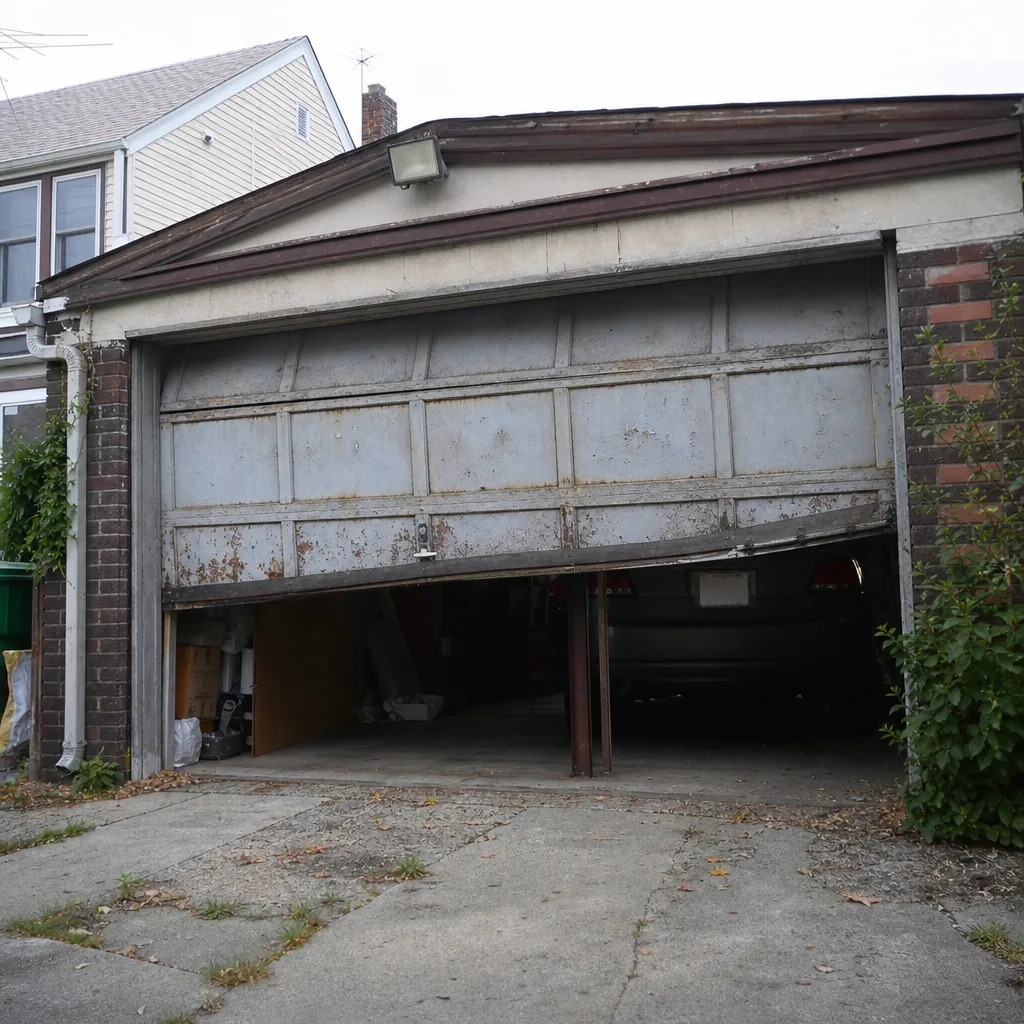
See the difference
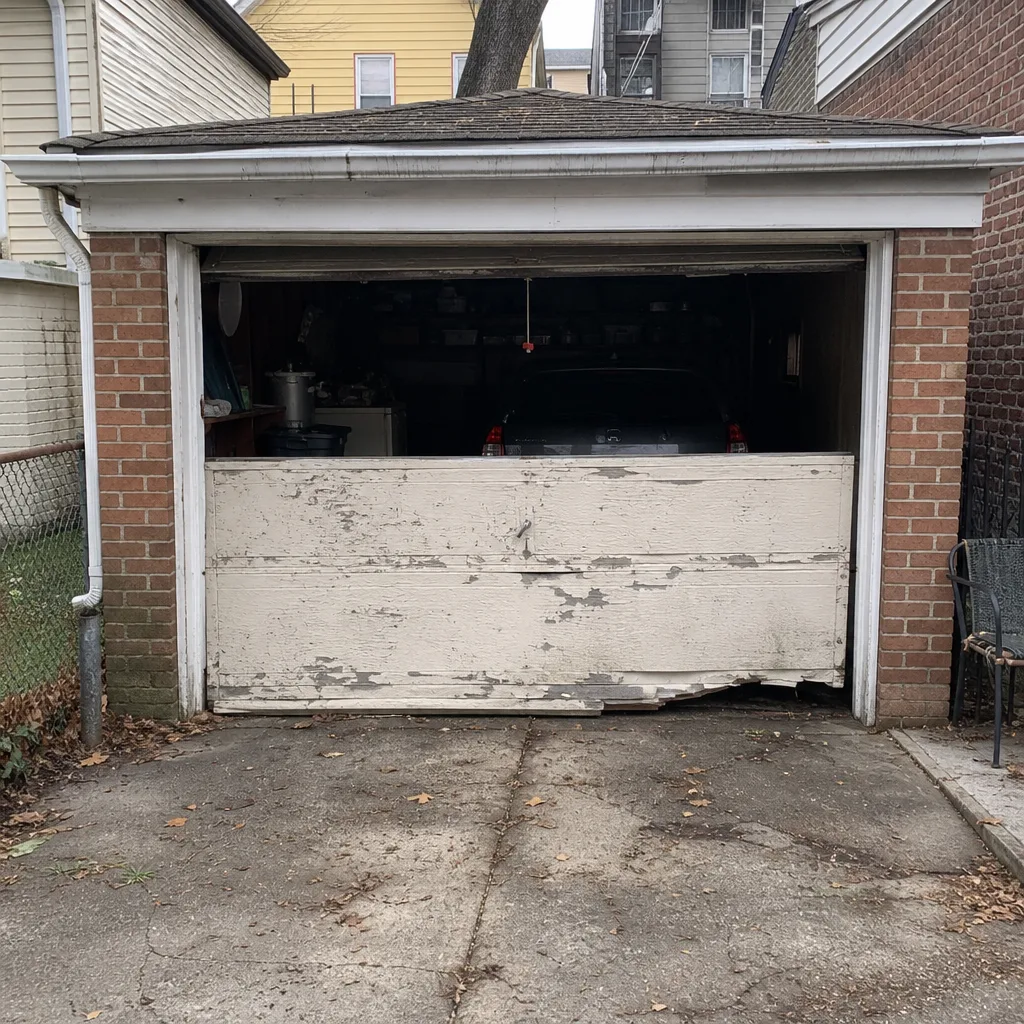 Before
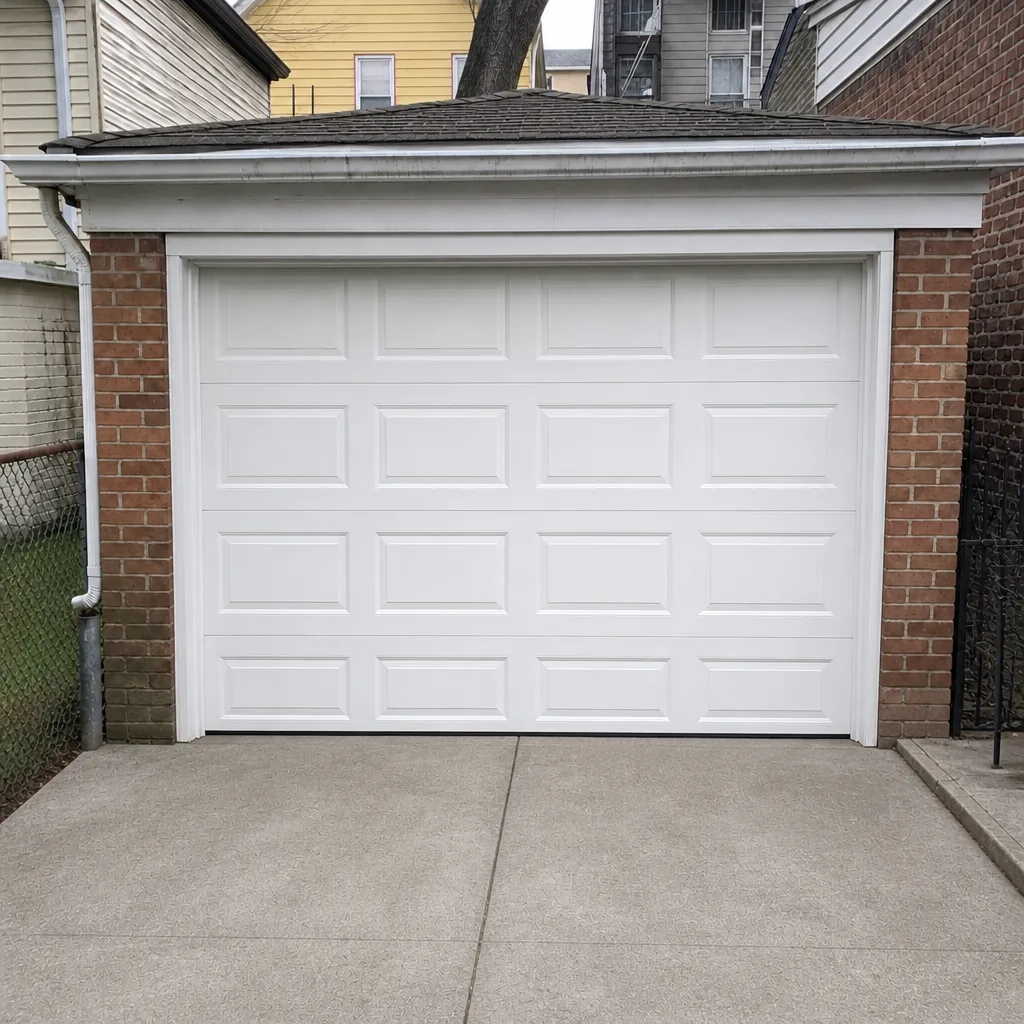 After
 Before
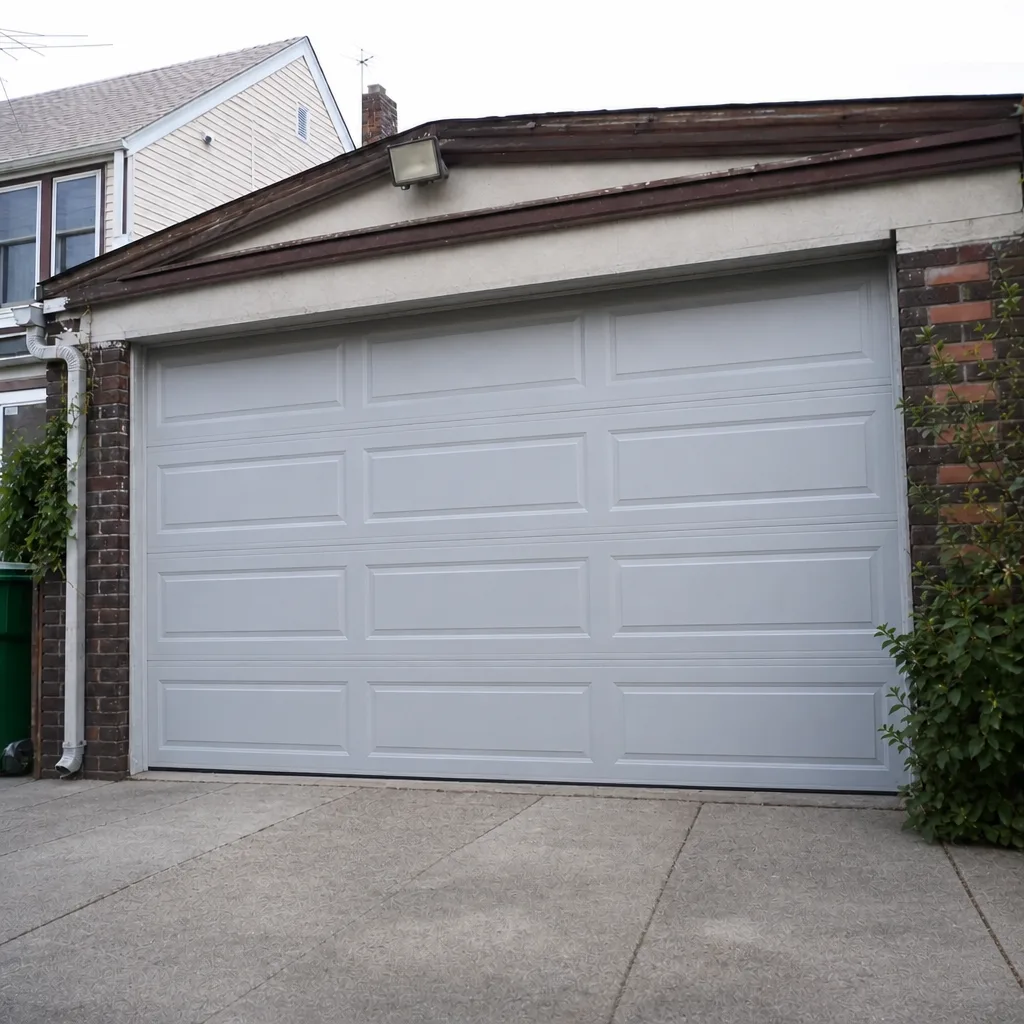 After
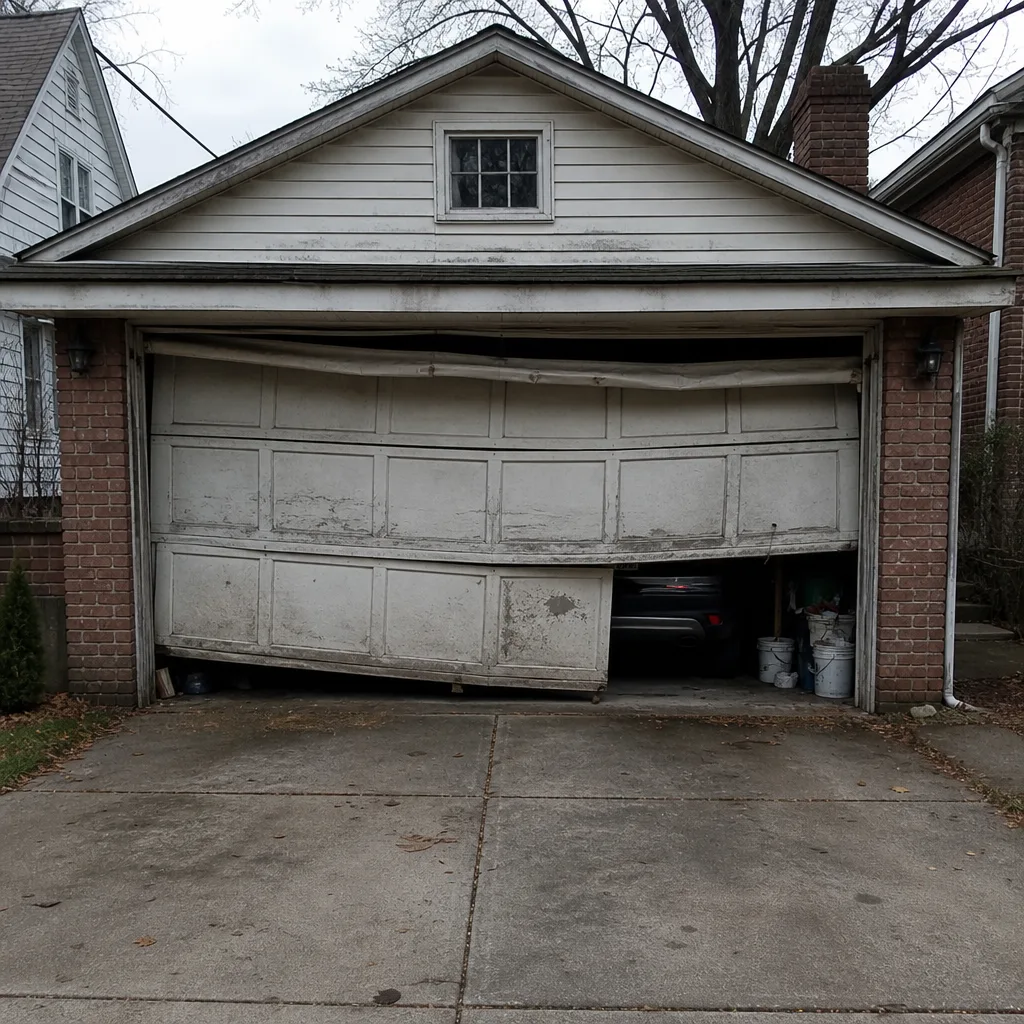 Before
 After
When to Call a Professional
Bring in a professional when the mechanical side of the job needs to happen correctly. That means a snapped spring or a cable that has let go (both are dangerous and not a homeowner repair), a door that has come off its track or is binding in the opening, an opener that has failed or is behaving unpredictably, or a door that’s beyond repair and needs replacement. For the paperwork question, ask the DOB and, where relevant, the LPC, then let a professional handle the installation and repair. We’ve seen homeowners try to shortcut the mechanical work on a door that was already under an open permit, and the two problems compound each other.
If your project is a replacement in a historic district and you need to pick a door that will clear LPC review, we can walk through what’s likely to be approved before you order. Garage Door Repair Harlem offers free estimates in Harlem. Call (877) 829-5867. We answer 24/7, and we dispatch Sunday through Friday, 7am to 7pm.
Frequently Asked Questions
Usually no, if the replacement is like-for-like: same opening size, same door type, on the same house. Once the opening size, the header, or the door type changes, the work generally counts as an alteration that needs a filing. If the building is in a historic district, the LPC process applies separately. Call (877) 829-5867 for exact pricing once you know what scope you’re working with. Estimates are free.
It can, depending on the building class and how the opener is wired and installed. The addition of a powered component to a door that was previously manual is treated differently from a like-for-like opener replacement, so check with the DOB for your specific address. Call (877) 829-5867 for pricing once you know what’s required.
Yes, and it’s an additional layer on top of the DOB process. The Landmarks Preservation Commission reviews any exterior change to a building in a designated district, which includes a street-facing garage door. The DOB filing and the LPC review run in parallel and neither substitutes for the other. Call (877) 829-5867 for a free estimate on the door work itself.
A homeowner can pull the permit for a single-family home they occupy, for work on their own property. Multi-family, mixed-use, and income properties generally need a licensed contractor to pull the permit. Ask your contractor which path applies before work begins. Call (877) 829-5867 for pricing.
Yes. DOB NOW and the Buildings Information System are public, and you can search by property address. The record will show the permit number, the scope, the applicant, and the inspection status. A filed permit that was never inspected and signed off is not a closed permit. Call (877) 829-5867 for an estimate on the mechanical work.
Call the DOB and ask. They’ll tell you how the work is classified for your address, and that answer is what holds up at a sale or refinance. A contractor who discourages you from checking the permit record is telling you something about their process. Call (877) 829-5867. We answer 24/7. A call outside dispatch hours is booked into the next opening, Sunday through Friday, 7am to 7pm.
The Bottom Line
The permit question on a Harlem garage door comes down to what the work changes. A like-for-like replacement, a spring, a cable, or an opener swapped for the same type is a repair, and the mechanical skill is what matters. An opening-size change, a header alteration, or a new powered opener on a manual door moves the project into alteration territory, and a filing and inspection come with it. Add a historic district and the LPC runs the second approval in parallel. The paper trail is what protects you later. If you’re unsure, call the DOB, check DOB NOW, and then call us at (877) 829-5867 for a free estimate on the work itself. Multiple brands, equipment we know, and a written price before anything starts.
Written by the team at Garage Door Repair Harlem.